


| Application | Cranes, hoisting mechanisms – connects gearbox and drum… |
| Material | High-strength alloy steel, corrosion protected. |
| Widely used in power transmission systems, connecting motors, reducers, and driven equipment. |
A coupling is a crucial mechanical component designed to connect two rotating shafts to transmit motion and torque between them. Typically, couplings are installed between the motor, gearbox, and drum, or between other drive components within a machinery system. Thanks to the coupling, the shafts can rotate in sync, ensuring that power is transmitted in a stable, continuous, and efficient manner.
In reality, couplings are not just a single type of device. Depending on the purpose and operating conditions, they can be manufactured with various designs: from rigid couplings, which require high concentricity and stable loads, to flexible couplings, which can compensate for shaft misalignment, absorb vibrations, and dampen shocks. This diversity allows couplings to adapt to a wide range of machinery, from light-duty equipment to heavy industrial systems.
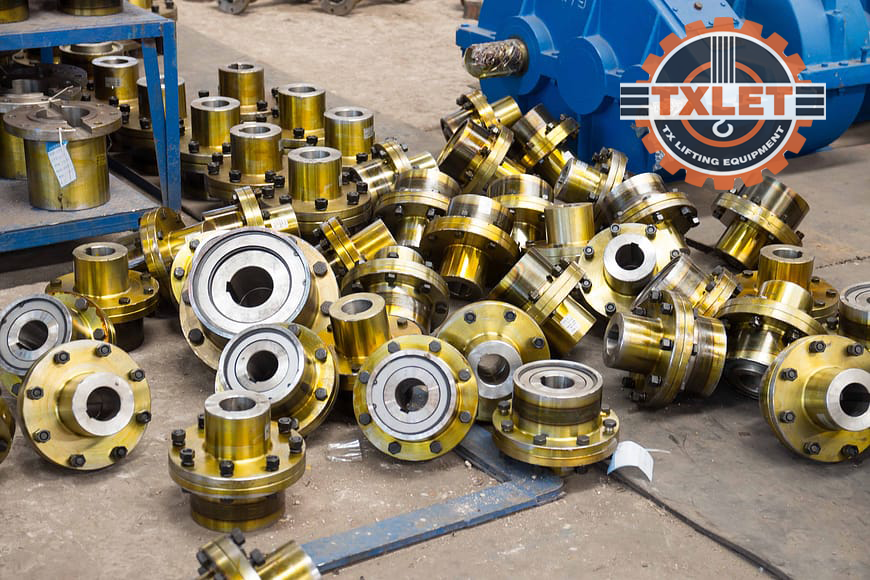
Examples of industrial shaft couplings manufactured for power transmission systems.
Couplings are highly significant for the safety, efficiency, and lifespan of a power transmission system. Beyond their basic function of connecting two rotating shafts, they offer several practical benefits:
Efficient and precise power transmission: They ensure the stable operation of the system by accurately and efficiently transmitting power and torque.
Misalignment compensation: They accommodate shaft misalignment that can occur during installation or due to long-term deformation of the equipment.
Vibration and shock absorption: They absorb shocks and dampen vibrations, thereby limiting negative effects on the motor, gearbox, and related components.
Damage prevention and equipment lifespan extension: They help prevent damage and extend the lifespan of equipment, saving businesses on maintenance and repair costs.
Enhanced operational safety: This is especially crucial for heavy-load lifting equipment like overhead cranes.
In modern industries, couplings act as a vital "bridge" in mechanical drive systems. In the field of cranes and hoisting mechanisms, a coupling is the link that ensures the gearbox and the drum operate in sync, helping to lift, lower, and move heavy loads safely and stably. In steel mills, mining operations, seaports, or shipbuilding, couplings enable high-power drive systems to operate reliably, minimizing the risk of failure and optimizing production efficiency.
It's fair to say that a coupling is not just a simple connecting component but a solution that protects and optimizes the entire machinery system. Selecting the appropriate type of coupling enables businesses to strike a balance between operational performance, equipment durability, and maintenance costs. This is precisely why couplings are considered one of the most important components in modern industrial drive systems.
Couplings are typically made from high-strength alloy steel, offering excellent load-bearing capacity and wear resistance. In terms of structure, a standard coupling consists of:
Two Hubs: Attached to the driving shaft (motor, gearbox) and the driven shaft (drum, working equipment) respectively.
Gear Teeth Surface (Barrel Teeth or Spline Teeth): Ensures efficient torque transmission and reduces stress concentration.
Bolts & Safety Rings: Provide a secure fixation to prevent load slippage.
Lubrication Mechanism: Facilitates quick maintenance and extends service life.
Wear Indicator Mark: Helps check the condition of the coupling during operation.
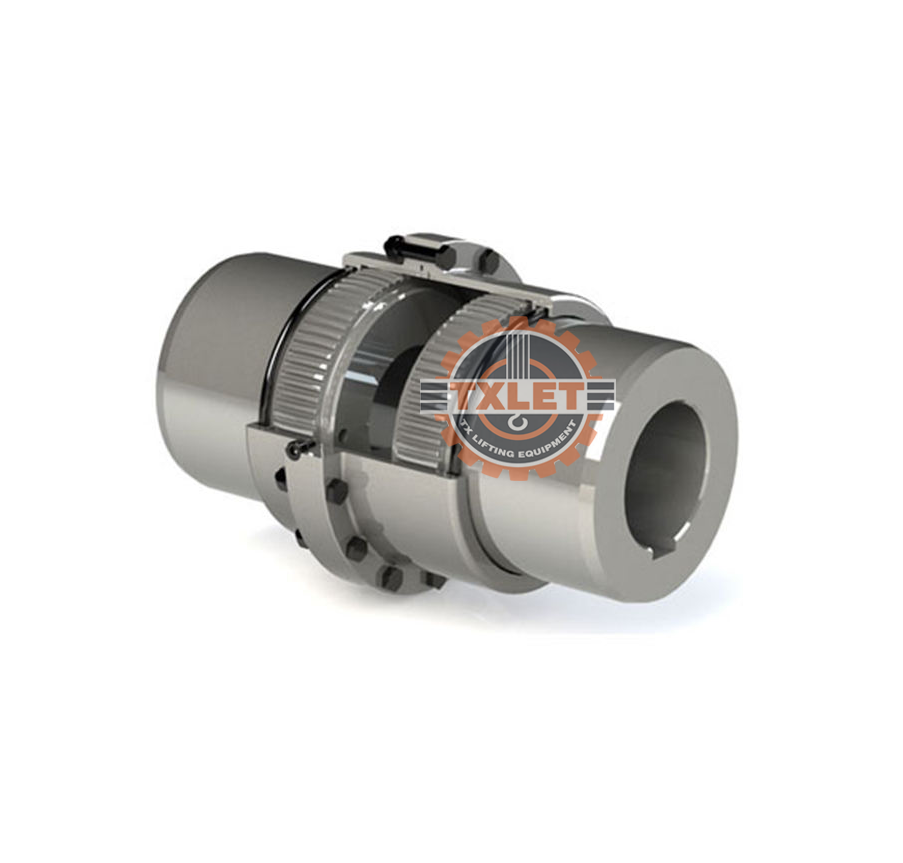
An illustration showing the internal components and design of a gear-type shaft coupling.
The working principle of a coupling is quite simple but extremely important:
When the motor rotates, torque is transmitted from the driving shaft to the driven shaft through the gear teeth surface or connecting pins.
In a rigid coupling, the entire torque is transmitted directly without the ability to compensate for misalignment, requiring absolute precision during installation.
In a flexible coupling, the elastic element or flexible gear teeth will absorb vibrations, dampen shocks, and compensate for shaft misalignment (angular, parallel, and axial).
This process helps reduce mechanical shock, protecting equipment (motor, gearbox, drum) and increasing the durability of the system.
[Analogy: A coupling is like a mechanical "bridge"—it not only connects two separate shafts but also ensures stable and safe power transmission.
Industrial couplings are not just components that connect two shafts; they provide a multitude of benefits that help machinery systems operate safely and efficiently:
Safe and stable power transmission: Couplings ensure that torque is transmitted evenly from the motor to the driven shaft, minimizing the risk of shaft failure or sudden damage.
Compensation for shaft misalignment: In real-world installations, it's difficult to avoid shafts being non-concentric or misaligned at an angle. Couplings are designed to absorb and compensate for these misalignments, ensuring the system runs smoothly.
Vibration and noise reduction: Certain types of couplings (elastic, gear, or hydraulic couplings) can absorb vibrations, reducing noise and shaking, which leads to a safer and more pleasant work environment.
Easy to maintain and replace: The structure of a coupling is often simple, making it convenient for disassembly, maintenance, or replacement without causing prolonged machine downtime.
High durability: Made from alloy steel, nodular cast iron, or specialized materials, couplings operate reliably in environments with heavy loads, high temperatures, or significant dust.
Optimized operating costs: By reducing wear on shafts and bearings, couplings help businesses save energy, decrease repair costs, and minimize production downtime.
Given their advantages, couplings are widely used across various industrial sectors, especially in heavy-duty hoisting and power transmission systems:
Crane and hoisting equipment industry: Couplings act as a bridge between the motor, gearbox, and drum. They enable cranes to lift and lower heavy loads with high stability and absolute safety.
Steel and cement industries: Couplings ensure the continuous, high-intensity power transmission required for steel rolling mills, rotary kilns, and cement conveyors.
Mining and port industries: They are used in winches, grabs, conveyors, and container cranes—equipment that frequently operates in harsh conditions and under extreme loads.
Energy sector: Installed in turbine and generator systems, couplings ensure stable and safe power transmission for the entire system.
Automated production lines: In modern factories, couplings are used in drive mechanisms that demand high precision and stable, continuous operation.
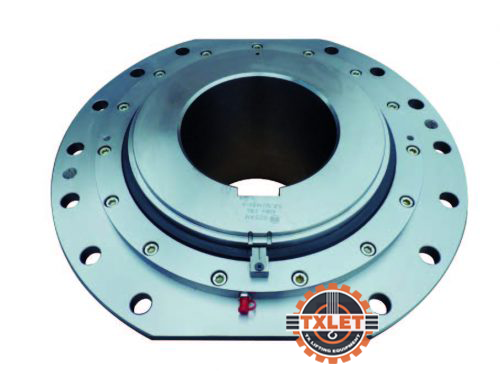
A robust coupling designed for high-load applications, commonly used in lifting and hoisting machinery.
Using the right coupling not only solves technical problems but also brings several strategic benefits to a business:
Minimized risk of sudden downtime: Helps maintain stable production, preventing significant losses in time and costs.
Ensured continuous production: Especially critical in industries with high production volumes like steel, cement, and mining.
Extended equipment lifespan: Protects motors, gearboxes, and other drive components from premature damage.
Long-term cost savings: Fewer breakdowns and less maintenance directly translate to lower operating costs.
Increased overall system efficiency: Thanks to stable power transmission, effective vibration reduction, and misalignment compensation.
When selecting a coupling for a power transmission system, the following important technical parameters are typically considered:
Rated torque: Ranging from a few N·m to hundreds of thousands of N·m, accommodating both light and heavy-duty applications.
Speed range: Some types are suitable for low speeds (gear, barrel coupling), while others are for high speeds (disc coupling, diaphragm coupling).
Misalignment compensation: This includes angular, parallel, and axial misalignment, with varying degrees of compensation depending on the coupling's structure.
Damping capacity: Some couplings are excellent at absorbing vibrations and impact loads (elastomeric, barrel), whereas others have almost no damping capacity (rigid).
Material: Primarily made of alloy steel, cast iron, or a combination of rubber, plastic, and spring steel.
Maintenance: Some types require regular lubrication (gear, barrel coupling), while others are virtually maintenance-free (disc, elastomeric).
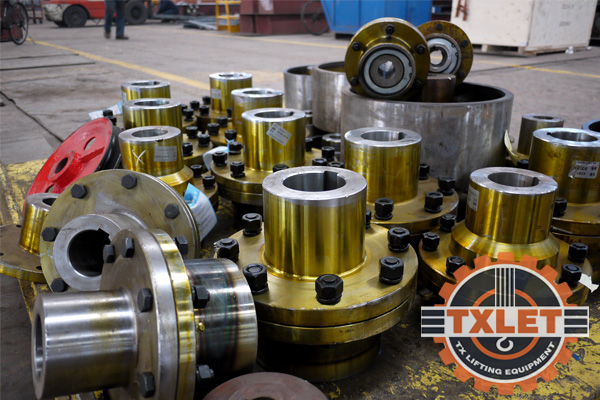
Examples of industrial shaft couplings manufactured for power transmission systems.
|
Criteria |
Rigid Coupling |
Flexible Coupling (Elastic/Metallic) |
Gear Coupling |
Disc Coupling |
|
Structure |
Simple, few components |
Diverse, with elastic or metallic elements |
Internal-external gear mesh |
Flexible thin discs |
|
Misalignment compensation |
None |
Good (varies by type) |
Medium |
Excellent |
|
Vibration damping |
None |
Good (especially elastomeric types) |
Limited |
Limited |
|
Torque capacity |
Medium - High |
Variable (low for elastomeric, high for metallic) |
Very High |
High |
|
Maintenance |
Almost none |
Low - Medium |
Requires frequent lubrication |
Almost none |
|
Typical applications |
Precision machinery, stable loads |
Pumps, conveyors, industrial fans |
Cranes, heavy machinery, high-power transmissions |
Turbines, compressors, high-speed equipment |
Selecting the appropriate coupling is a key factor that determines the performance and durability of the entire power transmission system. A high-quality coupling, correctly designed for a specific application, helps to:
Protect critical equipment: Couplings absorb vibrations, shock loads, and reduce direct stress on motors, gearboxes, shafts, and bearings. This is especially important in hoisting, crane, or heavy machinery applications where large torque and impact loads occur frequently.
Optimize system lifespan: By reducing mechanical vibration and wear, the correct coupling helps extend the lifespan of machine components, reducing maintenance frequency and replacement costs.
Ensure transmission efficiency: A suitable coupling transmits torque stably, reduces energy loss, and helps the system operate smoothly even under sudden load changes.
Enhance operator and workplace safety: In hoisting equipment or industrial conveyors, the right coupling helps limit shaking, jerking, or mechanical failures that could pose a danger.
Optimize operating costs: Choosing the correct coupling helps businesses reduce maintenance costs, avoid downtime, and maximize production efficiency.
To select the right coupling, businesses should consider these main factors:
Determine the maximum torque and static/dynamic loads to choose a coupling with the appropriate load-bearing capacity.
A coupling that's too weak will fail quickly, while one that's too strong is a waste of money.
Determine the degree of misalignment: angular, parallel, and axial.
Rigid couplings are only suitable for perfectly aligned systems, while flexible couplings, especially elastomeric or barrel types, can compensate for misalignment better.
High-speed applications require couplings with optimized dynamic balance to reduce vibration and wear.
Disc or diaphragm couplings are often used for turbines, compressors, and generators.
Temperature, humidity, dust, chemicals, or corrosive environments will affect the coupling's material.
Alloy steel, cast iron, or special composite couplings are well-suited for harsh environments.
Gear and barrel couplings require regular lubrication, while disc or elastomeric couplings are almost maintenance-free.
Choosing a low-maintenance coupling reduces downtime and operating costs.
A coupling used for cranes and hoists is different from one used for pumps, fans, compressors, or high-speed turbines.
Understanding the load, speed, and environmental requirements helps you select the correct type, material, and design of the coupling.
Q1: Which coupling is best for cranes and hoisting equipment?
➡ Barrel couplings or gear couplings, thanks to their ability to handle large loads, vibrations, and shocks during lifting.
Q2: When should I choose a rigid coupling instead of a flexible coupling?
➡ Rigid couplings are used for systems that require absolute coaxial alignment and stable loads with no shaft misalignment.
Q3: Do couplings need regular lubrication?
➡ It depends on the type: Gear and barrel couplings require lubrication to maintain performance, while disc or elastomeric couplings are virtually maintenance-free.
Q4: Does the coupling affect system noise?
➡ Yes. Flexible couplings, especially non-metallic types, can significantly reduce vibration and noise.
Q5: Should I choose a coupling based on material or load capacity?
➡ Both factors are important: the material affects durability and corrosion resistance, while the load capacity determines its ability to transmit torque.
Q6: Can couplings compensate for large misalignments?
➡ Flexible couplings (elastomeric, barrel) can compensate for angular, parallel, and axial misalignments, allowing the system to operate stably without damaging other drive components.
Q7: Does the coupling affect operating efficiency?
➡ A suitable coupling ensures accurate transmission, reduces energy loss, and minimizes vibration, which improves overall system efficiency.
With over a decade of experience in industrial lifting and power transmission solutions, TXLET has established itself as a trusted provider for factories, construction sites, and industrial zones nationwide. We specialize in:
Industrial Couplings: Rigid, flexible, gear, barrel, disc, and elastomeric couplings tailored for heavy-duty and precision applications.
Lifting Equipment: Cranes, hoists, trolleys, and related accessories.
Power Transmission Systems: Gearboxes, motors, reducers, and complete transmission solutions.
Our mission is to provide high-quality, reliable products that enhance safety, reduce maintenance costs, and improve the operational efficiency of industrial machinery.
Choosing TXLET guarantees:
Quality assurance: All products are manufactured with premium materials and adhere to strict industrial standards.
Customized solutions: Couplings and equipment can be tailored to specific load, speed, and environmental requirements.
Technical support: Expert guidance on selection, installation, and maintenance to ensure optimal performance.
Fast delivery & service: Reliable logistics and dedicated customer service to minimize downtime.
Comprehensive product range: A one-stop solution for all your lifting and power transmission needs.
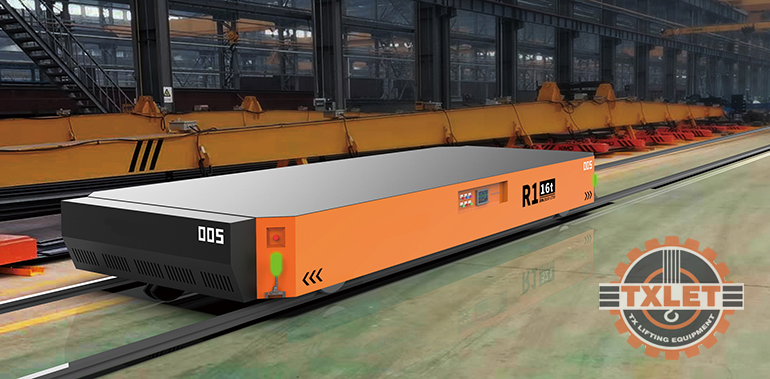
R1 Series AGV Rail Transfer Cart: An intelligent, rail-free AGV (Automated Guided Vehicle), ideal for modern, automated factories.
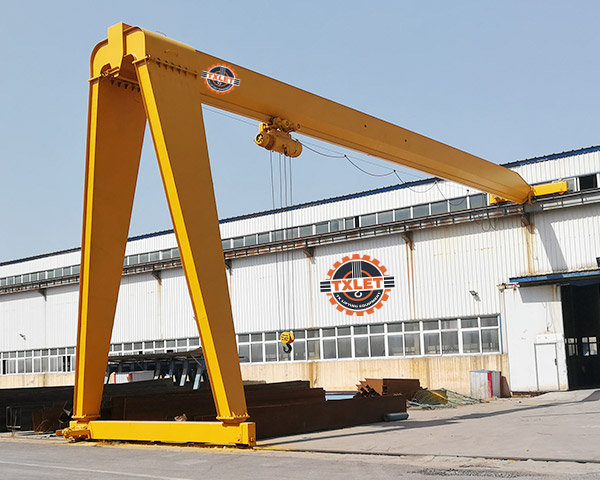
MH Single-Girder Gantry Crane with Electric Hoist: An economical solution for warehouses and production workshops.
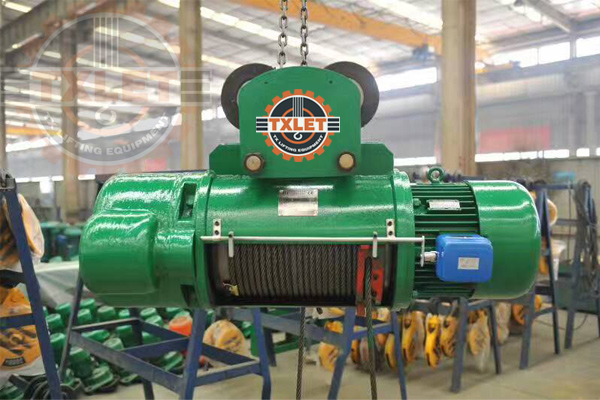
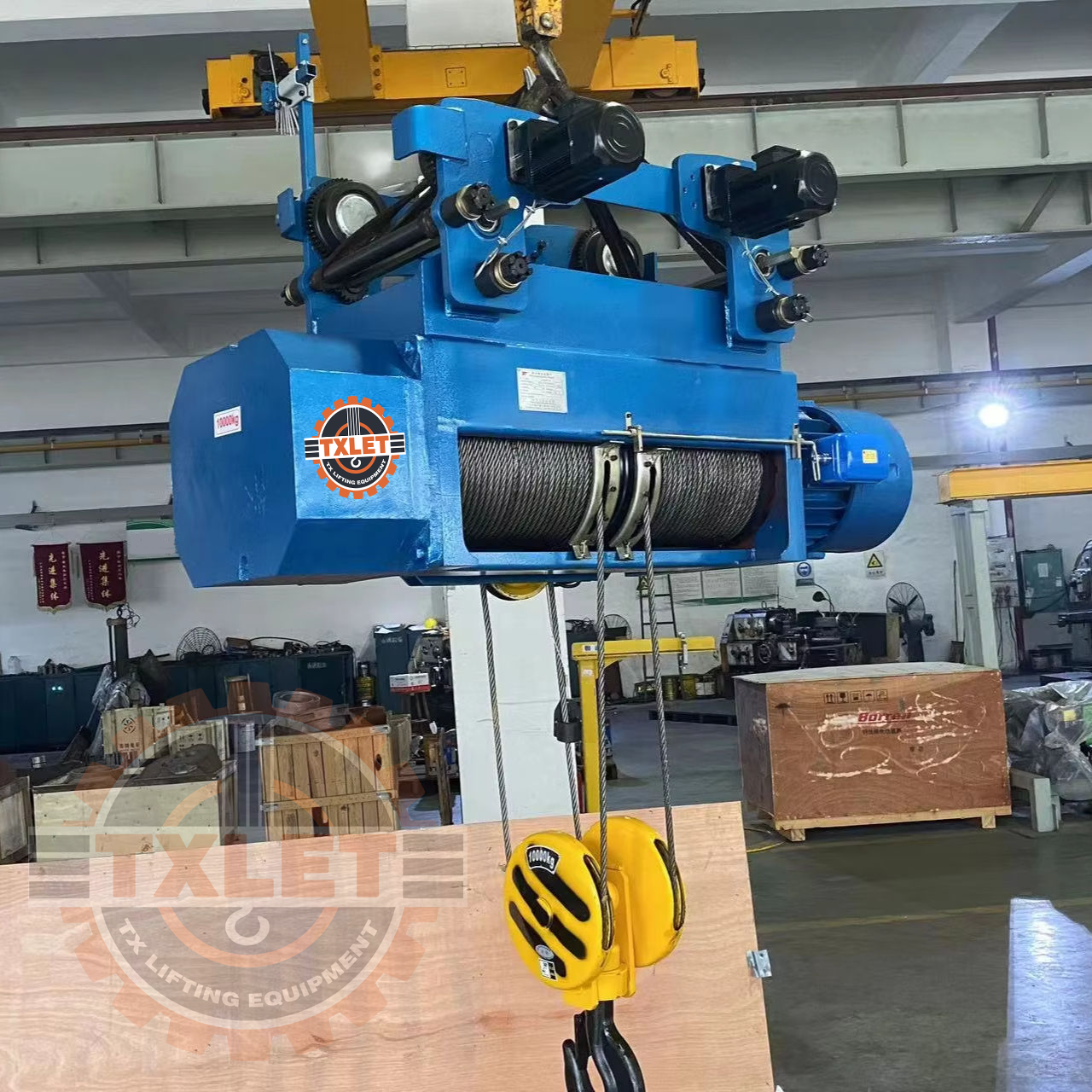
European Standard Electric Wire Rope Hoist: A quiet and durable hoist with a long service life.
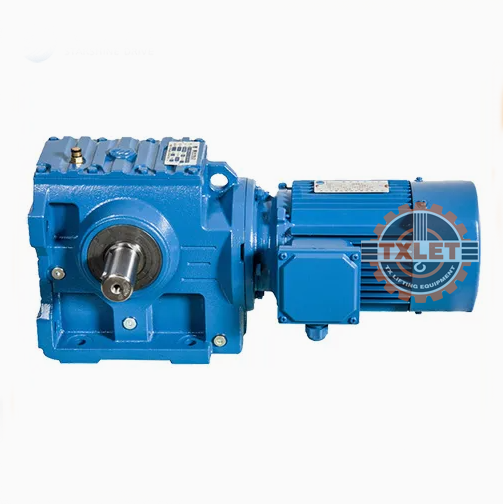
K Series Helical Bevel Gearbox: A high-efficiency gearbox used in conveyors and other industrial machinery.
Ready to enhance your industrial system’s performance with reliable coupling solutions?
Contact TXLET Today: Our experts are ready to help you select the perfect coupling for your application.
Request a Quote: Get detailed specifications, pricing, and delivery options tailored to your needs.
Explore Our Product Range: Discover other high-quality industrial components that complement your machinery.
Choose TXLET — your trusted partner in industrial lifting and power transmission solutions. Optimize safety, efficiency, and durability today.














Add: Crane Park, Xinxiang City, Henan Province, China
CEO. MENG QI HAN: Tel: +86-373-5288220
Email: txlet@hotmail.com
Henan office - China: Crane Park, Xinxiang City, Henan Province, China
Import and Export Manager Asia: Ms. Any Tam
Email: txlet@hotmail.com / Mobile: (+84)983 848 328 / Wechat: tkpanda06 / Zalo: (+84)983 848 328
Hanoi office - Vietnam: No 16, Nhan Hoa Alley, Hai Boi Street, Vinh Thanh Commune, Hanoi City, Vietnam
© 2009-2025 by TXLET