


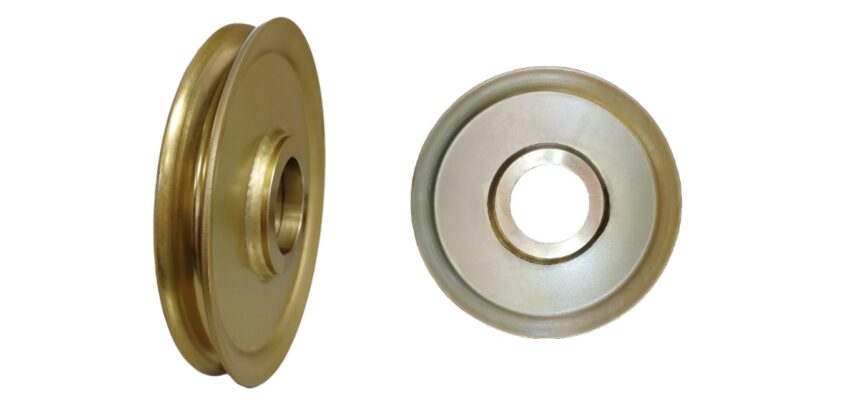
| Fully welded and machined steel sheaves | |
| Cold-formed throat for extended durability | |
| Multiple standard and custom sheave models | |
| Reduced weight and wear with low torque design | |
| Certified welding procedures and quality control | |
| Material options | S355J2, St.520, stainless, aluminum |
A sheave, often referred to as a pulley wheel, is a crucial mechanical component in lifting and hoisting systems. Essentially, it is a wheel with a precision-machined groove (throat) designed to guide a wire rope or cable. The sheave's primary function is to allow the rope to move smoothly while minimizing friction, slippage, and wear, thereby ensuring stable and efficient lifting operations.
In modern lifting equipment, sheaves are far more than simple guiding components; they are essential for distributing loads and optimizing the overall performance of overhead cranes, gantry cranes, winches, and other heavy-duty machinery.
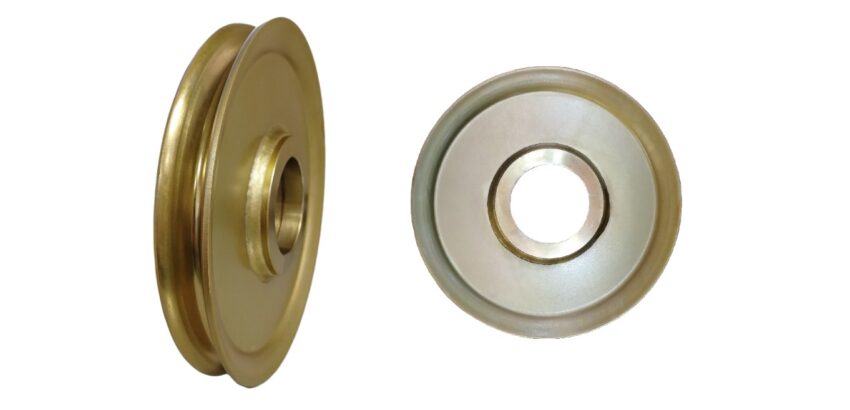
A standard sheave, illustrating the basic design with a central bore and a grooved throat for wire rope.
Within a hoisting system, wire ropes are subjected to significant loads and continuous use. Without sheaves, ropes would quickly deteriorate from direct friction with other metallic surfaces. Thanks to their optimized design, sheaves play a fundamental role by:
Minimizing friction: Reducing friction between the rope and the contact surface.
Extending rope lifespan: Greatly increasing the longevity of the wire rope, which in turn reduces maintenance costs.
Stabilizing direction: Ensuring the rope travels smoothly and securely, which is critical for safe lifting.
Distributing loads effectively: Reducing the risk of rope deformation or failure by evenly spreading the load.
Furthermore, selecting the correct sheave size for the wire rope is paramount. Industry safety standards typically require the ratio of the sheave's diameter to the rope's diameter to be a specific value (often 18-20 times) to prevent excessive bending that can weaken the rope and lead to premature failure. This makes sheaves a cornerstone of any lifting system's safety and reliability.
Sheaves are indispensable and widely used in a variety of lifting applications, from light-duty to heavy industrial machinery:
Overhead & gantry cranes: Guiding ropes during the lifting and traversing of heavy loads.
Electric & hydraulic winches: Ensuring smooth and controlled spooling of the wire rope.
Construction equipment: Found in tower cranes, mobile cranes, and other lifting devices.
Mining & steel industries: Handling continuous, heavy-duty loads under harsh conditions.
Marine & port applications: Corrosion-resistant sheaves, often made of stainless steel or aluminum, are used in maritime environments.
In the age of Industry 4.0 and smart manufacturing, sheaves continue to play a vital role in modern industrial demands:
Optimizing operational costs: Lightweight, engineered sheaves reduce equipment weight and energy consumption.
Enhancing safety: Improved groove designs minimize the risk of rope failure, aligning with international safety standards (e.g., DIN, FEM).
Promoting sustainability: Reduced wear and tear on components leads to less frequent replacements of ropes and parts, lowering environmental impact.
Tailored solutions: Specialized sheaves are customized for unique challenges in offshore, mining, and high-capacity lifting operations.
This cements the sheave's position as an indispensable component for companies focused on improving efficiency, ensuring safety, and staying ahead of modern industrial trends.
Sheaves are meticulously engineered and manufactured to deliver maximum durability, reduced weight, and long-term performance in lifting operations. Each sheave is produced using a fully welded and precisely machined construction, following certified welding procedures and strict quality control to ensure consistency and reliability.
At the core of every sheave is the grooved throat, which is cold-formed for enhanced strength and precision. In applications requiring even greater hardness, the throat can be quenched to provide additional resistance against wear and rope abrasion. This ensures the wire rope runs smoothly while maintaining its integrity under heavy loads.
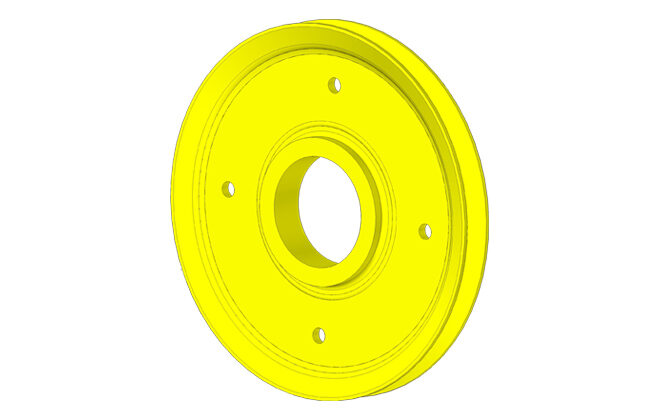
A spoked sheave, highlighting its lightweight construction for reduced inertia and improved energy efficiency.
To suit different working environments, sheaves are available in various materials:
S355J2 and St.520 steel: Used for high-strength, heavy-duty applications.
Stainless steel: Offers excellent corrosion resistance for marine and offshore environments.
Aluminum: Ideal for lightweight applications where reduced inertia and easy handling are essential.
Compared to traditional cast designs, welded sheaves can be up to 30% lighter, which makes installation faster and reduces the overall load on cranes and lifting equipment. Importantly, all sheaves are designed and manufactured following DIN and FEM standards, ensuring compatibility with international lifting systems and meeting stringent safety requirements.
The working principle of sheaves is straightforward yet highly effective. When integrated into a hoisting system, the wire rope runs along the grooved throat of the sheave, which serves several key functions:
Smooth rope guidance: The groove keeps the rope securely in place, preventing unwanted lateral movement.
Effective load distribution: The circular groove geometry distributes stress evenly across the rope, reducing pressure points that could cause premature damage.
Reduced wear and slippage: The low inertia torque of sheaves minimizes rope slippage and throat wear, which significantly extends the service life of the wire rope.
Controlled force direction: Sheaves efficiently redirect the path of the rope without compromising performance, allowing cranes and hoisting devices to operate safely and smoothly.
To ensure the long-term safety and efficiency of any hoisting system, proper maintenance of sheaves is crucial. Regular inspections should focus on:
Groove wear: Check for any signs of excessive wear or damage to the sheave's throat, as this could compromise the rope's integrity.
Bearing condition: Ensure the sheave rotates smoothly without any abnormal noise or resistance.
Alignment: Verify that the sheave is properly aligned with the wire rope to prevent uneven wear and increased friction.
Adhering to these maintenance practices in line with DIN and FEM standards helps prevent accidents and extends the overall service life of the lifting equipment.
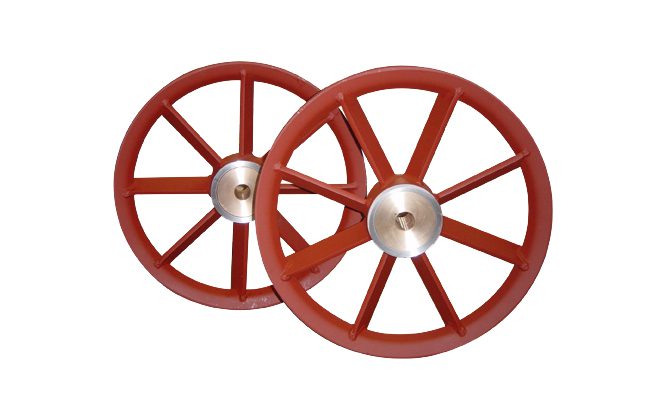
A 3D model of a sheave, demonstrating the precision engineering and design that goes into modern sheave manufacturing.
Modern sheaves are engineered with a series of advanced features that make them a cornerstone of reliable and efficient lifting systems. These features go beyond traditional designs to enhance performance, safety, and durability.
Structural integrity & lightweight design: Welded sheaves represent a significant advancement over conventional cast designs. They can be up to 30% lighter, which not only simplifies handling and installation but also reduces the overall load on cranes and their structural components. This contributes to better energy efficiency and lower operational costs.
Superior durability & wear resistance: The grooved throat is a sheave's most critical part. It is meticulously cold-formed to provide superior hardness and wear resistance. For the most demanding, continuous operations, an optional quenched throat is available, offering even greater durability against rope abrasion. This ensures a low inertia torque, which helps prevent rope slippage and minimizes wear on both the rope and the sheave itself, directly extending the service life of the entire system.
Versatility & compliance: Sheaves are available in a wide range of models, including Model A, B, C, D, Pear, and various Special types, providing flexibility for diverse installation conditions. They are also manufactured from several high-performance materials, each selected for specific applications:
S355J2 and St.520 steel for high-strength, heavy-duty structural applications.
Stainless steel for exceptional corrosion resistance in harsh marine or offshore environments.
Aluminum is used for lightweight applications where reduced inertia is essential.
Crucially, every sheave is manufactured in compliance with international DIN and FEM standards, ensuring global quality, safety, and compatibility with a wide range of lifting equipment.
Thanks to their robust construction and versatile design, sheaves are an indispensable component across industries that demand reliable lifting and guiding solutions.
Overhead & gantry cranes: Sheaves guide ropes smoothly during lifting and lowering, ensuring stable operation and maximizing rope life.
Winches & hoisting devices: They maintain consistent rope alignment and reduce wear during continuous spooling and unspooling operations.
Construction: Sheaves are essential in tower cranes, mobile cranes, and other material handling systems used on construction sites, where safety and durability are paramount.
Mining & steel: Heavy-duty sheaves are built to withstand extreme loads and continuous operation in the harsh environments of these industries.
Marine & offshore: The use of stainless steel and aluminum sheaves is vital here for resisting corrosion and ensuring reliable performance in saltwater conditions.
Customized systems: Special models and custom designs are available to meet the unique requirements of specialized lifting systems, ensuring precise performance in any application.
By combining these advanced features with their broad range of applications, sheaves have cemented their role as a fundamental component in the modern lifting and hoisting industry, ensuring safe, efficient, and cost-effective operations across multiple sectors.
Sheaves are engineered with high precision to ensure strength, reliability, and adaptability across a wide range of lifting and hoisting applications.
|
Specification |
Details |
|
Materials |
S355J2, St.520 Steel (standard); Stainless Steel (corrosion-resistant); Aluminum (lightweight applications). |
|
Manufacturing method |
Fully welded and machined construction; Cold-formed laminated ring; Optional quenched throat for enhanced hardness. |
|
Models |
Model A, B, C, D, Pear, and special custom designs. |
|
Weight advantage |
Up to 30% lighter than traditional cast sheaves. |
|
Standards |
Designed and manufactured following international DIN and FEM standards. |
|
Surface finish |
Fully machined and ready for installation. |
|
Torque design |
Low-inertia torque system to minimize rope wear and slippage. |
|
Size range |
Customizable dimensions to suit various lifting capacities and applications. |
The choice of sheave type can significantly impact a system's performance and operational costs. Here’s a detailed comparison between modern welded sheaves and traditional cast sheaves.
| Criterion | Welded sheaves | Cast sheaves |
| Weight | Up to 30% lighter, which simplifies handling and installation. | Heavier which add unnecessary load to the lifting system. |
| Durability | Cold-formed throat with an optional quenched treatment for superior wear resistance. | More brittle under extreme stress, making them prone to cracking. |
| Flexibility | Available in multiple models and custom configurations. | Limited customization options are available. |
| Efficiency | Low inertia torque reduces rope and groove wear. | Higher torque leads to faster cable wear. |
| Maintenance | Lower maintenance frequency and a longer lifespan. | Requires more frequent inspections and replacements. |
| Standards | Fully compliant with international DIN & FEM standards. | Often limited to local or basic standards. |
| Applications | Heavy lifting, ports, mining, offshore, and construction. | Better suited for older, traditional lifting setups. |
The fully welded and precision-machined design, combined with a cold-formed throat, ensures superior resistance to wear, providing a longer service life and reducing replacement frequency.
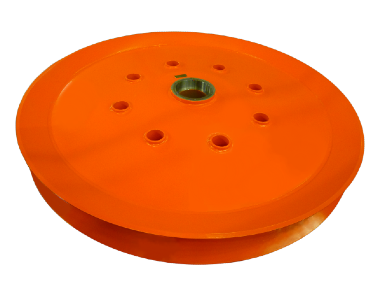
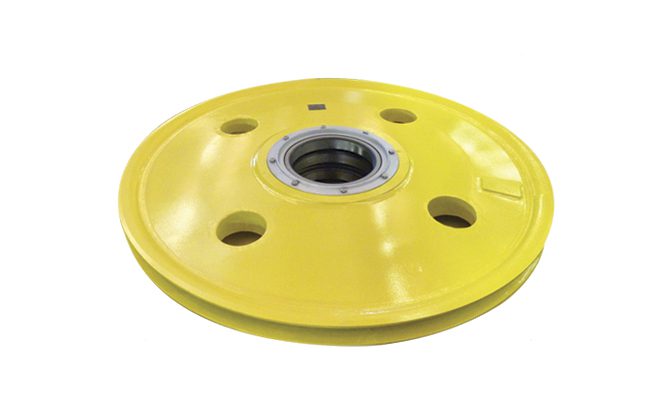
Heavy-duty welded sheaves, engineered for high-strength applications and superior durability.
Being up to 30% lighter than cast alternatives, they reduce the overall crane load, which leads to improved energy efficiency and lower operational costs.
A low-inertia torque design minimizes cable slippage and throat wear, significantly extending the rope's lifespan and lowering replacement costs.
With a wide range of standard and custom models, sheaves can be tailored to demanding industries like steel plants, ports, mining, shipyards, and construction sites.
Precision machining and durable materials reduce maintenance frequency, which saves both time and operational expenses.
Manufacturing to DIN and FEM standards ensures safety, dependability, and widespread acceptance in lifting operations worldwide.
When it comes to lifting and hoisting systems, selecting the right sheaves is crucial for performance, safety, and long-term cost savings. Our sheaves stand out due to their superior advantages:
Exceptional quality: Manufactured to international DIN & FEM standards, guaranteeing ultimate precision and safety.
Optimized weight: Up to 30% lighter than cast sheaves, which reduces inertia torque and minimizes wear on wire ropes.
Material versatility: We offer flexible material options, from S355J2 and St.520 steel for heavy-duty applications to stainless steel or aluminum for specialized environments.
High customization: We provide a full range of standard models (A, B, C, D, Pear, Special) and can also deliver custom-tailored solutions to meet your specific requirements.
These advantages explain why our sheaves are a trusted component in ports, steel plants, mining operations, offshore rigs, and construction sites worldwide.
With over a decade of experience in lifting equipment and power transmission systems, we have become a reliable partner for industries around the globe. Beyond sheaves, we also design and supply:
Crane hooks
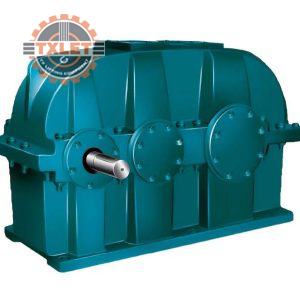
Couplings and gearboxes
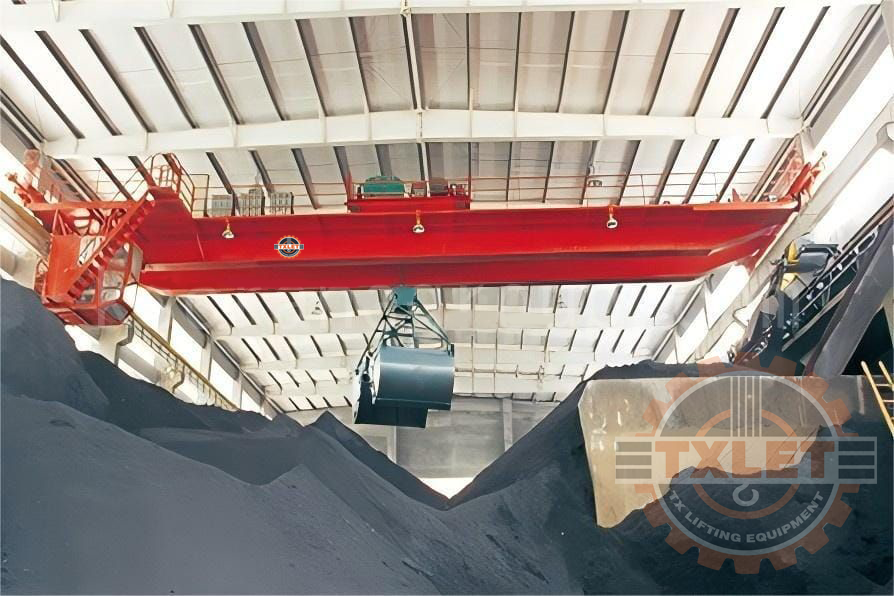
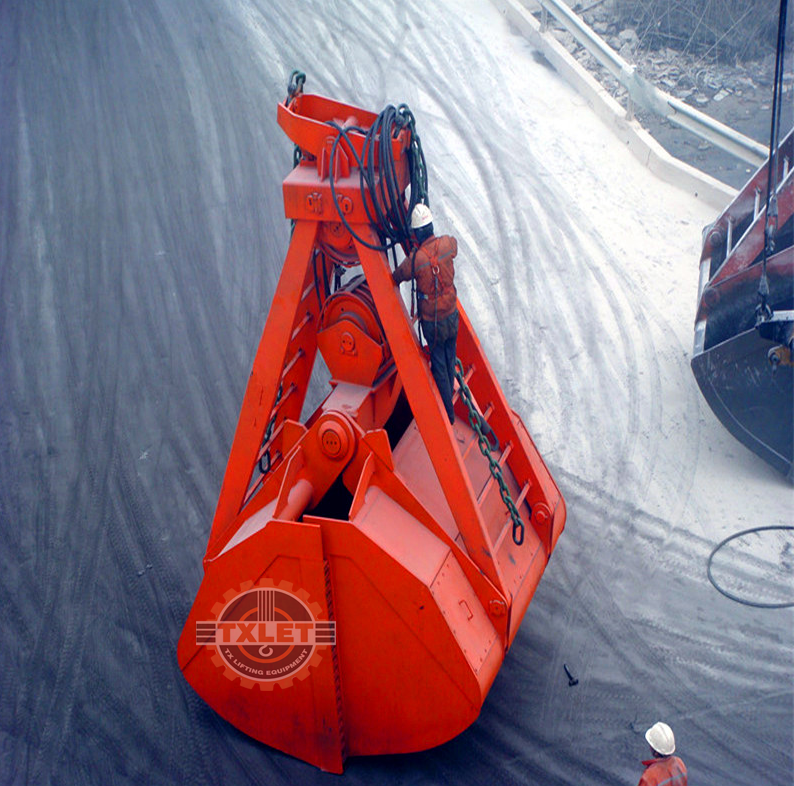
Grab buckets
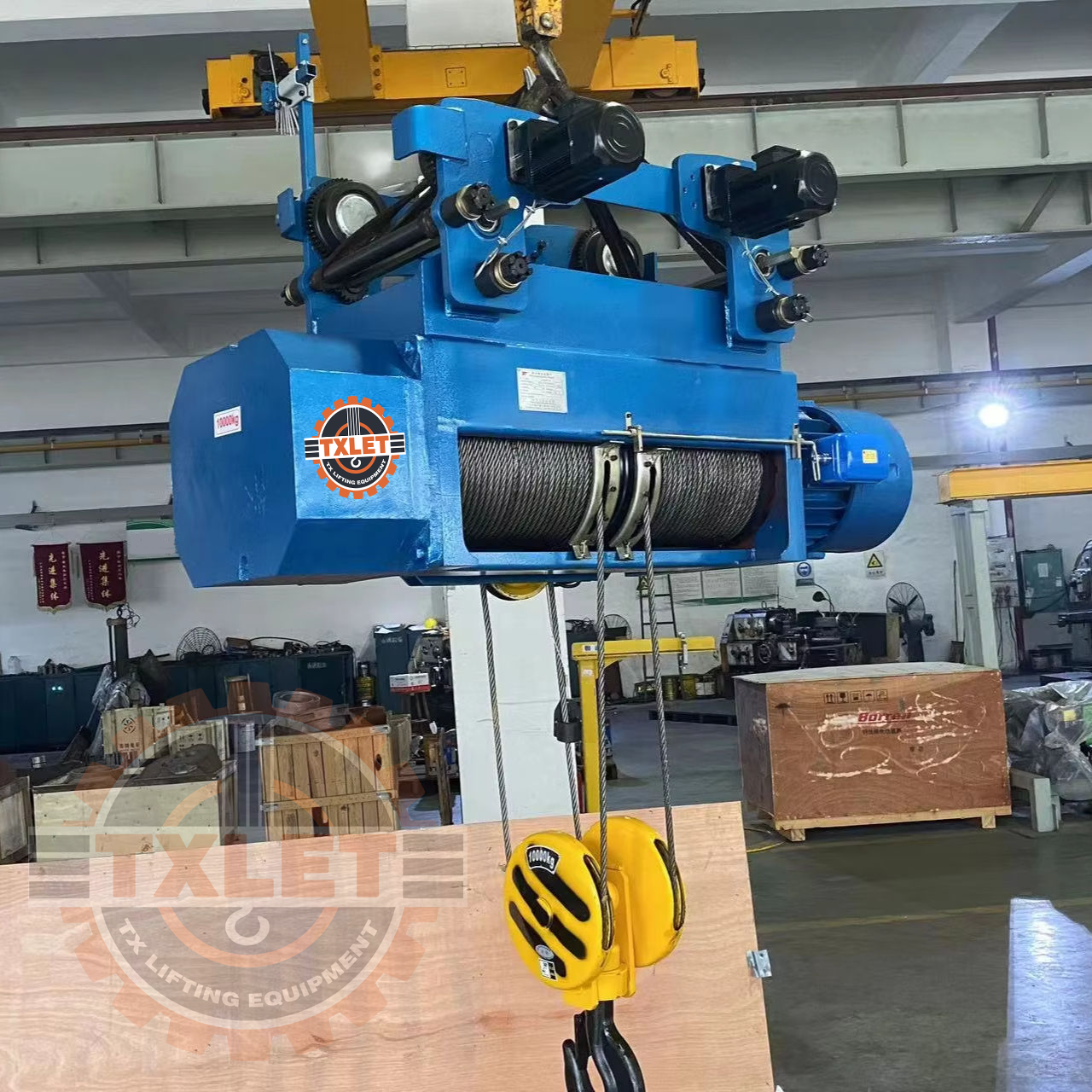
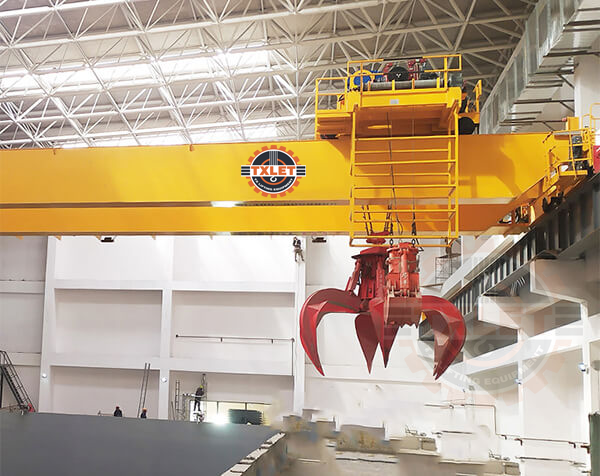
Electric wire rope hoists and crane systems
Every product we offer reflects our unwavering commitment to safety, innovation, and long-term value.
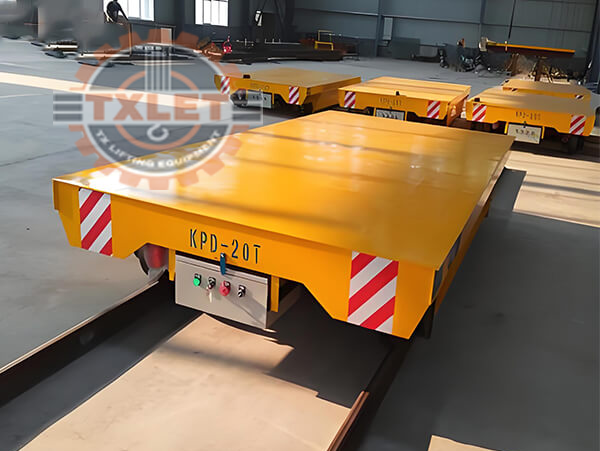
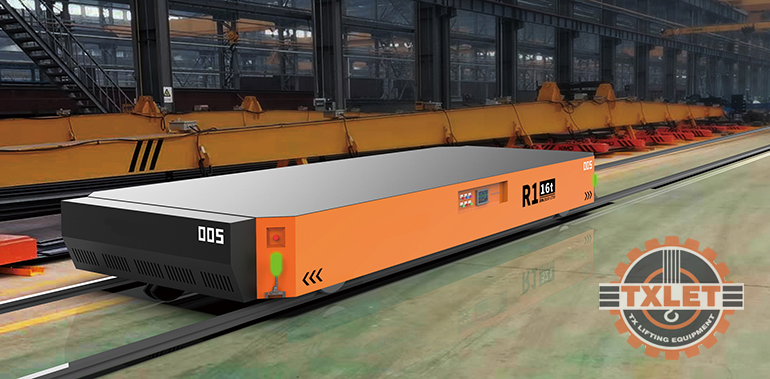
R1 Series AGV Rail Transfer Cart: An intelligent, rail-free AGV (Automated Guided Vehicle), ideal for modern, automated factories.
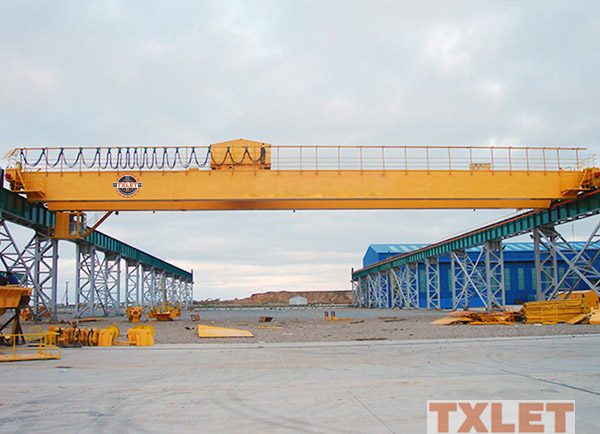
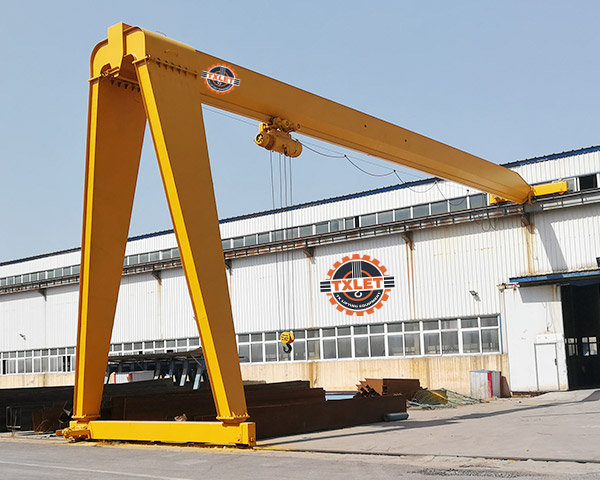
MH Single-Girder Gantry Crane with Electric Hoist: An economical solution for warehouses and production workshops.
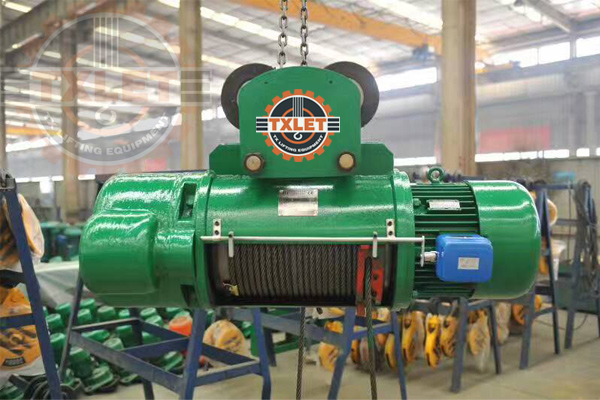
European Standard Electric Wire Rope Hoist: A quiet and durable hoist with a long service life.
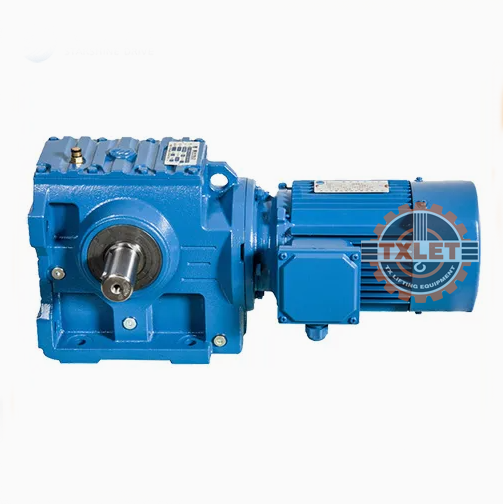
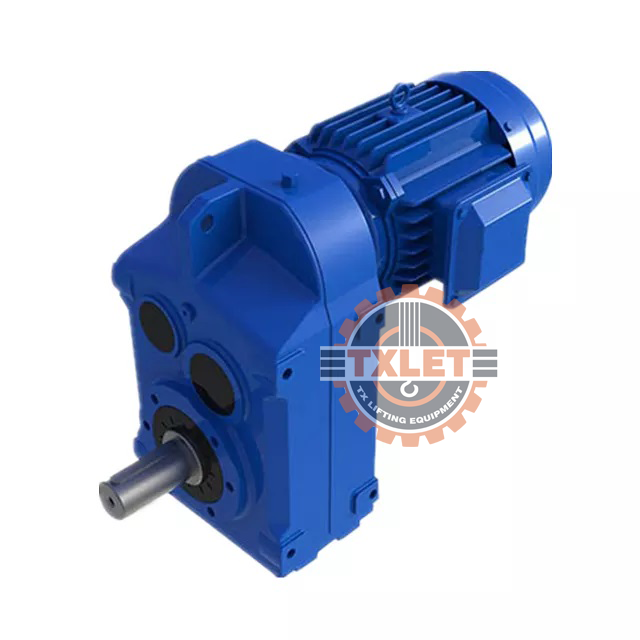
K Series Helical Bevel Gearbox: A high-efficiency gearbox used in conveyors and other industrial machinery.
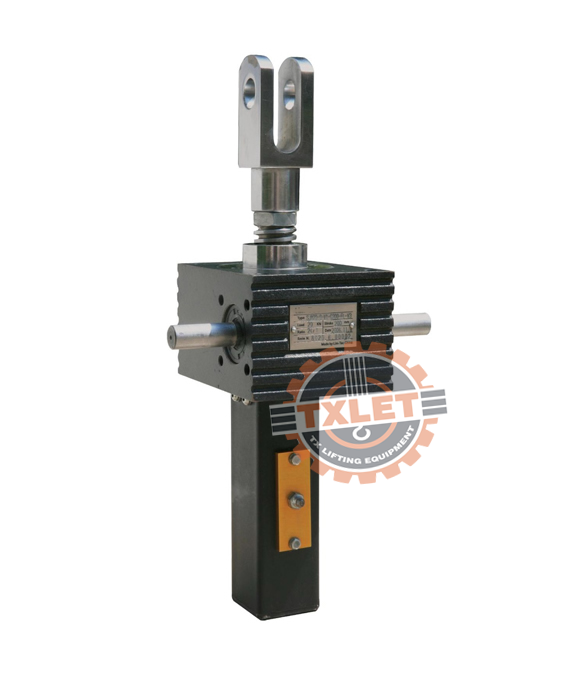
JW Series Worm Screw Lift: A heavy-duty screw jack used for precise lifting applications.
We understand that customers often have similar concerns. Here are clear, concise answers to some common questions:
Which ropes fit your sheaves?
→ Our sheaves are designed to be compatible with all standard wire ropes used for cranes and hoists, featuring groove designs that provide maximum protection against wear.
How long do they last?
→ With proper use and maintenance, our welded sheaves have a significantly longer service life than cast alternatives.
Is customization possible?
→ Absolutely. The diameter, groove shape, and materials can all be adjusted to meet your specific requirements.
Is maintenance required?
→ Routine inspection and lubrication are necessary to keep your sheaves in top operating condition.
Why choose welded sheaves over cast?
→ While cast models are cheaper, they are heavier and less durable. Our welded sheaves ensure superior operational efficiency and a longer service life.
Ready to Upgrade Your Lifting System?
If you're looking for durable, efficient, and customized sheaves for your next project, we are here to help.
Contact us today to request a quote or a professional technical consultation—and let us deliver the best solution for your needs.















Add: Crane Park, Xinxiang City, Henan Province, China
CEO. MENG QI HAN: Tel: +86-373-5288220
Email: txlet@hotmail.com
Henan office - China: Crane Park, Xinxiang City, Henan Province, China
Import and Export Manager Asia: Ms. Any Tam
Email: txlet@hotmail.com / Mobile: (+84)983 848 328 / Wechat: tkpanda06 / Zalo: (+84)983 848 328
Hanoi office - Vietnam: No 16, Nhan Hoa Alley, Hai Boi Street, Vinh Thanh Commune, Hanoi City, Vietnam
© 2009-2025 by TXLET