


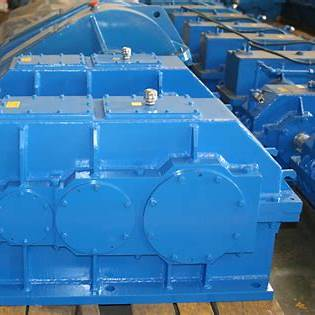
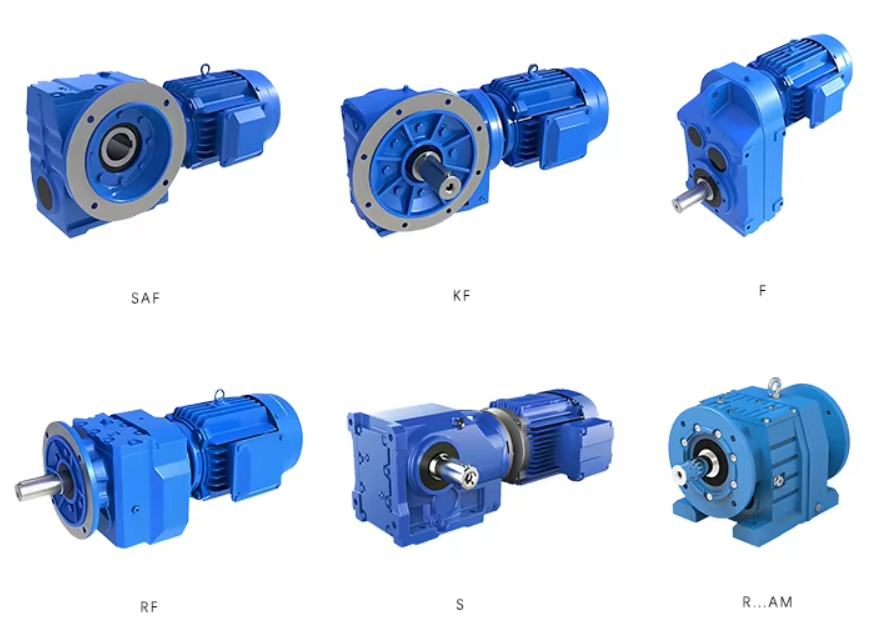
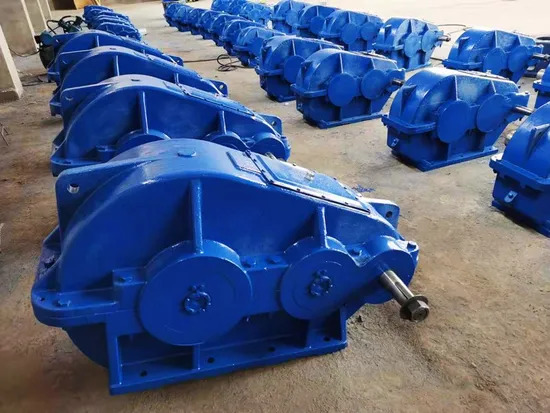
TXLET has set a new benchmark in metallurgical lifting with its 320-ton integrated crane gearbox — a single, synchronized drive system that eliminates traditional coupling errors, boosts rigidity, and ensures flawless performance under extreme loads. Combining advanced materials, precision engineering, and smart-ready design, this innovation represents TXLET’s vision of intelligent, high-capacity lifting for the world’s most demanding industries.
TXLET, a global leader in industrial drive and lifting solutions, proudly announces a groundbreaking engineering milestone — the successful development and delivery of a 320-ton overhead crane gearbox, a custom-engineered transmission system designed to power the most demanding metallurgical lifting operations on earth.
This achievement is not merely a product delivery, but a technological leap that redefines the limits of ultra-heavy-duty crane design. The 320-ton gearbox stands as proof of TXLET’s mastery in precision mechanical engineering, combining massive torque capacity, exceptional synchronization accuracy, and advanced hard-tooth gear technology within a compact, serviceable structure.
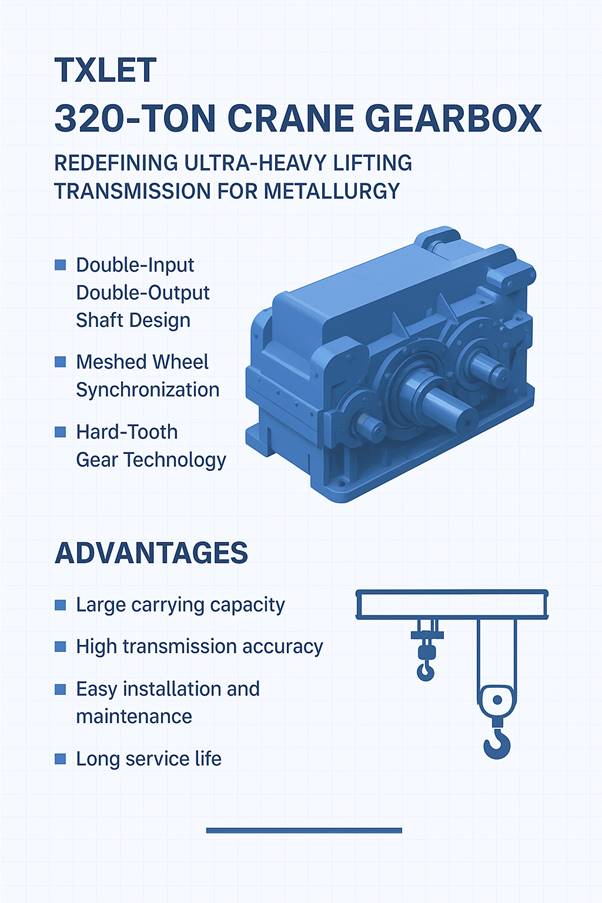
At a total length of nearly 10 meters, the gearbox features a double-input and double-output shaft design with meshed wheel synchronization, ensuring perfect torque balance and stability between both lifting drums. This level of precision enables heavy-duty metallurgical cranes to perform smoothly even under tremendous loads, decreasing component wear, improving safety, and ensuring synchronous motion throughout the lifting operation.
As global heavy industry transitions toward smart manufacturing and high-capacity automation, TXLET’s innovation sets a new global standard for performance, efficiency, and mechanical intelligence in lifting equipment. With this project, TXLET not only strengthens its technological foundation but also reinforces its long-term vision — to engineer the power that drives the future of industrial lifting.
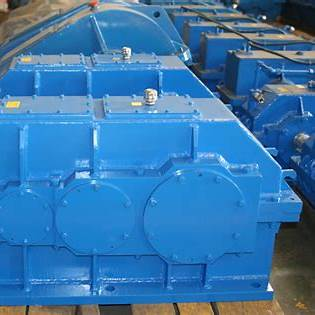
The global metallurgy industry—encompassing steel manufacturing, metal casting, heavy fabrication, and foundry operations—forms one of the most vital pillars of modern industrial infrastructure. From the construction of skyscrapers and long-span bridges to shipbuilding, rail production, and energy plant assembly, these sectors rely heavily on high-capacity overhead cranes to move and manipulate immense metal components with both strength and precision.
As global infrastructure demand continues to rise, metallurgical plants are scaling up production capacity at an unprecedented rate. This expansion places enormous mechanical and operational pressure on lifting systems, especially on the main hoisting mechanisms, which serve as the core element determining both the safety and productivity of large-scale crane operations. The larger the load, the narrower the tolerance for mechanical error becomes. For cranes handling 300 tons and above, the challenge is not simply about lifting—it is about maintaining absolute synchronicity and stability under extreme loads.
Conventional high-capacity cranes typically rely on dual parallel drums to evenly distribute the immense lifting force required for such loads. A gearbox powers each drum independently, and the two gearboxes are synchronized via mechanical couplings or intermediate shafts. While this configuration has long been used across the industry, it carries inherent limitations that become critically exposed under ultra-heavy-duty conditions.
Each gearbox operates with its own set of mechanical tolerances, and synchronization depends entirely on the external coupling system connecting them. Over time, even minor misalignments in these linkages cause minute but progressive desynchronization.
Mechanical couplings, regardless of manufacturing precision, are subject to backlash, torsional elasticity, and cumulative tolerance error. Under loads exceeding hundreds of tons, these microscopic variances translate into significant angular displacement, resulting in phase or speed differences between the two drums.
When the two drums fail to move in perfect harmony, the massive load begins to tilt, causing uneven stress distribution across the crane’s trolley frame, bearings, and runway rails. The imbalance not only accelerates structural fatigue and wear but also poses a severe safety hazard, risking uncontrolled load swing, tipping, or even mechanical collapse during critical lifting operations.
To counteract these synchronization issues, operators often resort to frequent recalibration, maintenance, and premature replacement of mechanical parts. These interventions lead to prolonged downtime, inflated maintenance budgets, and decreased operational efficiency — all of which directly impact the productivity and profitability of metallurgical plants.
In essence, while traditional dual-gearbox architectures remain serviceable for mid-capacity cranes, they fall short in guaranteeing absolute mechanical synchronicity for the next generation of ultra-heavy lifting systems, where the margin for error is effectively zero.
The client for this project — a global leader in metallurgical manufacturing and plant operation — faced the pressing need to upgrade its production line to handle 320-ton metallurgical cranes for continuous-duty operations. The environment presented the ultimate test: extreme heat, abrasive metallic dust, high duty frequency (A8/M8 classification), and continuous 24-hour operation cycles.
To meet these conditions, the client’s technical specification was exceptionally rigorous. The gearbox system had to deliver not only massive torque output and load-bearing strength, but also precise mechanical synchronization between both output shafts, ensuring zero deviation even under full-load conditions. The system's anticipated stiffness, precision, and thermal stability are far above accepted industry standards.
Furthermore, the gearbox was required to support seamless integration into the crane trolley, ensuring both compactness and maintainability, while maintaining consistent performance over extended operational lifespans. Each component — from the hard-tooth gears to the bearings, shafts, and lubrication systems — needed to withstand high thermal and mechanical stress without performance degradation.
The demand was clear: a transmission system that could operate with perfect synchronization, no tolerance for phase error, and absolute reliability under the harshest industrial conditions. This challenge set the stage for TXLET’s breakthrough innovation — a gearbox system engineered not merely to meet these requirements, but to surpass every conventional limitation of heavy-duty crane design.
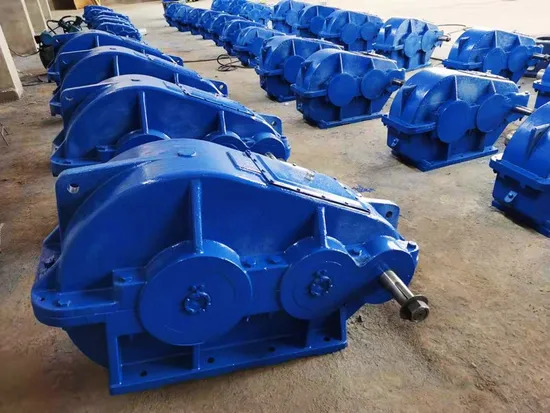
To meet this exacting specification, the TXLET engineering team discarded conventional wisdom and designed a fundamentally new gearbox, adopting the philosophy of "Absolute Mechanical Synchronicity" from the core design phase.
The resulting product is a single, colossal gearbox, boasting impressive physical specifications: approximately 10m long, 2.2m high, and 1.3m wide. The genius of the innovation resides in its internal architecture:
The gearbox is engineered to receive input from two main hoisting motors (typically specialized metallurgical motors), ensuring the necessary power and torque.
Crucially, the two output drive lines are mechanically and directly linked via an ultra-high-strength central meshed wheel set housed entirely within the gearbox casing. This mechanism acts as an inherent, self-adjusting synchronizer, compelling the two output shafts (connected to the hoisting drums) to rotate at the same speed and angular position. This design fundamentally eliminates the possibility of phase deviation caused by external couplings.
By consolidating the drive elements into a single, monolithic structure, the gearbox significantly enhances the overall stiffness of the trolley, minimizing structural deformation and vibration even under maximum static and dynamic loads.
To handle the immense torque requirements and ensure long-term durability, TXLET implemented manufacturing standards that surpass industry norms:
High-grade alloy steel is used for all gears, subjected to precise carburizing and quenching for high surface hardness (typically HRC ≥58). Gears are then precision-ground using state-of-the-art 5-axis CNC machines. The grinding precision achieves a quality class of 6 or better according to DIN standards, ensuring a transmission efficiency exceeding 98% and minimal noise and vibration.
The gearbox housing is fabricated from heavy-duty welded steel or cast iron, rigorously analyzed using Finite Element Analysis (FEA) software to optimize stiffness, weight, and vibration absorption under peak loading conditions.
Only specialized, heavy-duty spherical roller and deep groove ball bearings from world-renowned manufacturers are selected, guaranteeing maximum radial and axial load capacity in high-temperature environments.

TXLET’s 320-ton gearbox solution is not a minor evolution — it marks a transformative breakthrough in the field of metallurgical crane transmission systems. By replacing the traditional dual-gearbox setup with a single, fully integrated drive unit, TXLET has redefined the standards of synchronization, rigidity, and reliability in ultra-heavy lifting operations.
Traditional systems often rely on two separate gearboxes linked through an external coupling. This structure inherently introduces alignment errors and backlash, resulting in minor but cumulative speed deviations between drums. Over time, these deviations cause uneven load distribution, increased vibration, accelerated wear, and reduced structural life. Maintenance becomes frequent and costly due to constant realignment and mechanical stress.
In contrast, the TXLET integrated 320T gearbox eliminates these inefficiencies. Its single housing design ensures absolute mechanical synchronicity through internally meshed gears. The unified casing enhances the overall stiffness of the crane trolley, reducing structural stress while maintaining precise load balance. Without the need for coupling alignment, the gearbox achieves longer operational lifespan, lower maintenance demand, and exceptional reliability even under heavy-duty A8/M8 working conditions.
Despite its massive capacity, TXLET’s gearbox was designed with a modular architecture that perfectly balances strength and practicality — a critical advantage for international deployment.
The gearbox can be divided into major subassemblies for convenient packaging, shipping, and reassembly on-site, minimizing logistics challenges.
The modular design simplifies assembly, reduces alignment errors, and shortens commissioning time — ensuring the system becomes operational swiftly and seamlessly.
The successful implementation of this 320-ton drive system demonstrates TXLET’s engineering scalability. For gears with capacities of 500 tons and more, the same design concept and structural ideas can be easily modified.
With this technological foundation, TXLET stands as a strategic global partner for the world’s largest metallurgical and industrial lifting projects — delivering not only capacity but also unmatched precision, durability, and innovation value.

To manufacture a gearbox of the 320-ton scale and precision, TXLET applied a strict End-to-End Quality Management protocol, ensuring every stage — from design to delivery — met international standards of accuracy, durability, and reliability.
Using advanced 3D CAD and finite element analysis (FEA) tools, engineers simulated real operating conditions to analyze stress, thermal behavior, and load deformation. These digital validations guaranteed the gearbox could maintain structural integrity under extreme loads typical of metallurgical lifting operations.
Key components such as gears and shafts were made from high-strength alloy steel, heat-treated through carburizing and quenching to enhance surface hardness and core toughness. Precision grinding ensured smooth gear meshing and minimized vibration during operation.
Critical parts — including the casing, shafts, and bearing housings — underwent ultrasonic, X-ray, and magnetic particle inspections to ensure zero internal defects or microcracks.
Each gear was verified on CMMs (Coordinate Measuring Machines) for profile and pitch precision, achieving ISO 1328 Class 5 accuracy, which far exceeds standard industrial tolerances.
Before shipment, each gearbox was mounted on a custom test bench, running under simulated full-load and speed conditions. Temperature, vibration, and noise were continuously monitored, confirming that performance levels surpassed all technical requirements.
Through this disciplined production and testing process, TXLET ensures that every gearbox delivers exceptional reliability, smooth operation, and long service life — the essential foundation for heavy-duty metallurgical cranes worldwide.
The successful completion of the 320-ton gearbox project marks not the culmination, but the beginning of a new technological era for TXLET — one defined by intelligence, connectivity, and predictive performance. It serves as the cornerstone of TXLET’s long-term strategy: Pioneering Intelligent Drive Technology for the global lifting industry.
TXLET envisions the future of heavy lifting through the seamless integration of mechanical power and digital intelligence. The 320T gearbox has been designed with future-ready interfaces that allow for the incorporation of advanced smart technologies, such as:
Embedded sensors constantly monitor key parameters such as oil temperature, casing vibration, and rotational speed — enabling real-time assessment of operational health and early detection of abnormalities.
Sensor data can be streamed to centralized monitoring systems, empowering customers to deploy Predictive Maintenance strategies. This helps prevent unexpected downtime, optimize maintenance cycles, and extend the equipment’s operational lifespan.
These innovations ensure that TXLET’s heavy-duty drives evolve into intelligent assets — capable of self-diagnosis, adaptive operation, and optimized performance under any industrial condition.
The 320T gearbox is not only a testament to TXLET’s mastery of metallurgy applications but also a gateway to wider industrial frontiers. The same drive principles are being adapted for next-generation lifting solutions in:
Shipbuilding: Handling massive hull blocks and marine assemblies with absolute synchronization.
Energy and Hydropower: Managing turbine components and generator assemblies that demand ultra-high precision and power.
Heavy Equipment Manufacturing: Supporting assembly lines that require long-duty cycles and flawless mechanical stability.
As TXLET continues to expand its global partnerships, its mission remains clear: to combine superior mechanical strength, absolute precision, and intelligent control into one unified force — empowering industries to achieve greater efficiency, safety, and performance.
From Blueprint to Behemoth Steel, TXLET engineers not just machines, but the power to lift the world — with intelligence and precision.
Add: Crane Park, Xinxiang City, Henan Province, China
CEO. MENG QI HAN: Tel: +86-373-5288220
Email: txlet@hotmail.com
Henan office - China: Crane Park, Xinxiang City, Henan Province, China
Import and Export Manager Asia: Ms. Any Tam
Email: txlet@hotmail.com / Mobile: (+84)983 848 328 / Wechat: tkpanda06 / Zalo: (+84)983 848 328
Hanoi office - Vietnam: No 16, Nhan Hoa Alley, Hai Boi Street, Vinh Thanh Commune, Hanoi City, Vietnam
© 2009-2025 by TXLET