


Noise and Vibration Reduction Technology for lifting equipment is an advanced solution that mitigates the negative impacts of noise and vibration on worker health, the environment, and operational efficiency. The technology works by combining an Active Damping System, which uses smart sensors to cancel vibrations in real-time, with a Multi-layer Vibration Absorbing Structure that acts as a physical shield. Adopting this technology not only helps businesses comply with strict international standards but also delivers clear economic benefits through energy savings, reduced maintenance costs, and enhanced industry reputation.
In the modern era of rapid urbanization and industrial growth, the need for sustainable and humane industrial practices has never been more critical. The relentless operation of lifting equipment—from massive overhead cranes in sprawling steel mills to compact electric hoists in logistics hubs—produces a constant cascade of noise and vibration. This acoustic and mechanical pollution not only disrupts nearby communities but also poses significant, long-term health risks to workers, including hearing loss, chronic stress, and musculoskeletal disorders. Noise & Vibration Reduction Technology has emerged as a transformative solution, shifting the industrial paradigm from mere productivity to one that integrates worker well-being, environmental stewardship, and operational excellence. This is not simply an engineering upgrade; it is a strategic imperative for businesses aiming for longevity and a positive societal impact.
The problem presented by lifting equipment is twofold and interconnected. Noise, as an audible disturbance, and vibration, as a mechanical force, are both products of the same physical processes but have distinct impacts.
Source: Noise from lifting equipment primarily originates from the high-speed operation of motors, the meshing of gears, the friction of steel cables on pulleys, and the structural resonance of the crane's frame. Sudden starts, stops, and speed changes create sharp, high-decibel peaks that are particularly damaging.
Impact: The World Health Organization (WHO) and OSHA have established clear guidelines on safe noise exposure. Long-term exposure to levels above 75 dB can lead to permanent hearing damage. Beyond hearing, noise pollution contributes to worker fatigue, reduces concentration, and can exacerbate stress-related health conditions, leading to higher rates of accidents and absenteeism.
Source: Vibration is generated by mechanical imbalances, gear backlash, motor ripple, and the impact of a load during lifting and lowering. This energy propagates through the crane's structure, into the building, and even to the ground, causing a physical disturbance.
Impact: For the equipment itself, vibration accelerates wear on bearings, gears, and drive components, shortening their lifespan and leading to costly, unpredictable failures. For the surrounding environment, it can cause structural fatigue in buildings and disrupt sensitive operations nearby. For workers, direct contact with vibrating equipment can lead to conditions like hand-arm vibration syndrome (HAVS).
Against this backdrop, the adoption of noise & vibration reduction technology is no longer a luxury but a fundamental necessity for compliance, safety, and operational efficiency.
The Active Damping System (ADS) is the cornerstone of modern noise and vibration control. Unlike passive systems that simply absorb some of the kinetic energy, ADS actively counteracts the disturbance in real time.
At its heart, ADS operates on the principle of destructive interference. It is an intelligent feedback loop that utilizes advanced mechatronics to cancel unwanted oscillations.
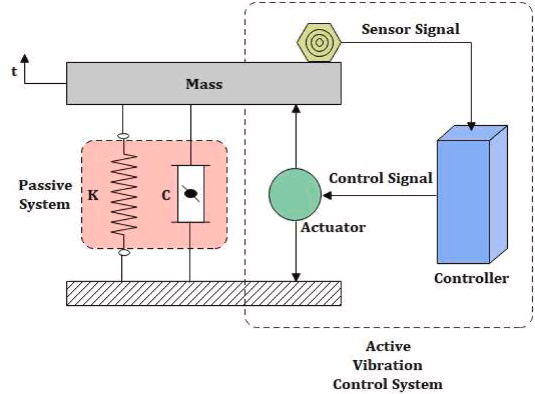
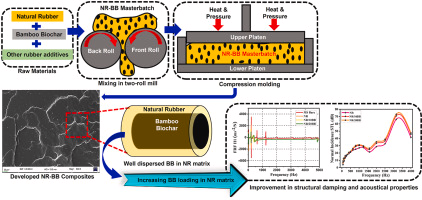
Working in tandem with ADS, the Multi-layer Vibration Absorbing Structure acts as a physical barrier that blocks and disperses residual vibration.
This structure is a multi-layered composite designed for optimal energy dissipation.
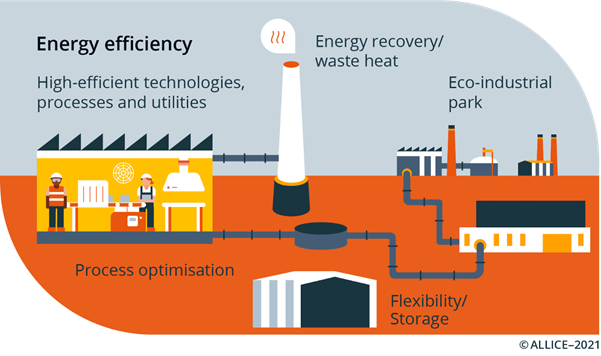
The investment in this technology yields significant and measurable returns, transforming it from a mere cost center into a strategic business advantage.
The versatility of this technology allows for its integration into a wide range of lifting applications, demonstrating its adaptability and value.
Used in assembly lines for heavy components like car bodies and engine blocks, where precision and minimal noise are required to protect sensitive equipment and workers' well-being.
Reduces the constant, loud noise from cranes and hoists at container terminals, making them better neighbors to urban areas and improving conditions for port workers.
Critical for handling expensive and fragile components, where a single vibration could cause catastrophic damage. This technology ensures the integrity of parts during transport and assembly.
While these environments are inherently loud, vibration reduction technology mitigates the most jarring shocks, protecting equipment from premature failure and extending the lifespan of hoists and cranes operating under extreme conditions.
In a globalized economy, adherence to international standards is not optional; it is a prerequisite for market access and credibility. Technology for noise and vibration reduction is at the intersection of several key regulatory and certification bodies.
ISO 14001: This international standard for environmental management systems requires organizations to manage their environmental responsibilities systematically. Reducing industrial noise and vibration directly contributes to a company's ability to demonstrate compliance with these environmental objectives.
OSHA (Occupational Safety and Health Administration): In the United States, OSHA sets legally enforceable standards for noise exposure in the workplace (e.g., a time-weighted average of 85 dBA for an 8-hour shift). Companies that invest in noise reduction technology can easily stay within these limits, avoiding costly fines and legal action.
EU Machinery Directive (2006/42/EC): This directive mandates that all machinery sold within the European Union must be designed and constructed to minimize risks from noise and vibration. Implementing advanced damping systems ensures full compliance and opens up the lucrative European market.
WHO Guidelines: The World Health Organization provides guidelines for community noise, recommending levels below certain thresholds to prevent adverse health effects. For industrial sites located near residential areas, meeting these guidelines is crucial for maintaining a good community relationship and avoiding public complaints.
By proactively adopting this technology, companies can get ahead of regulatory changes, streamline their international trade operations, and build a reputation for ethical, compliant business practices.
The evolution of Noise & Vibration Reduction Technology is closely tied to advancements in data science and connectivity. The next generation of systems is poised to be even more advanced and integrated, moving beyond reactive control to proactive, predictive solutions.
Next-generation systems will use AI to analyze historical data and learn the specific vibration patterns of an operation. By identifying anomalies and predicting potential failures, the system can self-adjust parameters before a vibration even occurs. This shifts the paradigm from reactive damping to proactive, predictive control. For instance, an AI could detect a subtle change in the motor's vibration signature and preemptively adjust its speed to prevent a more significant mechanical issue, all without human intervention.
Research is ongoing to develop ultra-light composites with superior damping properties. These new materials will not only reduce system weight and energy use but also offer new design possibilities for quieter and more efficient lifting equipment. Imagine a crane constructed with a self-dampening composite beam that naturally absorbs and dissipates vibration, reducing the reliance on external actuators.
Real-time monitoring and cloud analytics will enable predictive maintenance and fleet-wide optimization. Operators will be able to monitor the health of their equipment from a central dashboard, receiving alerts about potential issues and optimizing their maintenance schedules for maximum efficiency. This data can also be used to benchmark performance across a fleet, identifying best practices and areas for improvement.
As smart-city projects expand, noise and vibration reduction will become standard practice for cranes, hoists, automated warehouses, and even high-rise robotic parking systems. The demand for industrial processes that coexist harmoniously with urban life will only increase.
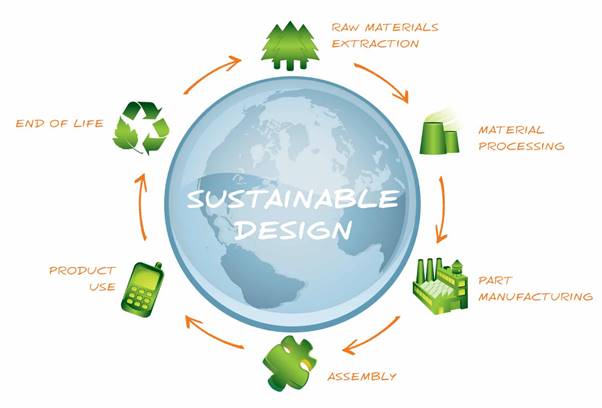
Noise & vibration reduction technology is not just a solution for current problems but a strategic investment for the future. By implementing the Active Damping System and the Multi-layer Absorbing Structure, businesses in the lifting industry will not only optimize performance and reduce costs but also contribute to building a civilized and environmentally friendly industrial production sector, in harmony with the development of smart cities of the future. The shift from reactive to proactive solutions is already underway, marking a new era where powerful industrial machinery can operate with precision and silence.
Add: Crane Park, Xinxiang City, Henan Province, China
CEO. MENG QI HAN: Tel: +86-373-5288220
Email: txlet@hotmail.com
Henan office - China: Crane Park, Xinxiang City, Henan Province, China
Import and Export Manager Asia: Ms. Any Tam
Email: txlet@hotmail.com / Mobile: (+84)983 848 328 / Wechat: tkpanda06 / Zalo: (+84)983 848 328
Hanoi office - Vietnam: No 16, Nhan Hoa Alley, Hai Boi Street, Vinh Thanh Commune, Hanoi City, Vietnam
© 2009-2025 by TXLET