


Smart materials and self-healing coatings provide cranes and hoists with continuous, automatic protection against scratches, cracks, and corrosion. These advanced alloys and nano-coatings can detect and repair micro-damage at the molecular level, dramatically reducing maintenance costs, extending equipment lifespan, and improving safety. Although initial investment is higher and large-crack healing remains a challenge, future developments—such as IoT-integrated sensors and fully autonomous materials—promise even greater efficiency and sustainability for heavy industry.
In heavy industries such as mining, metallurgy, cement production, and especially seaport operations, lifting equipment serves as the backbone of the entire production chain. Cranes, hoists, and electric winches are the "giants" that must operate continuously under the most extreme conditions, from highly corrosive environments due to salt spray and chemicals to extreme temperatures and massive loads. Their alloy steel surfaces are constantly subjected to microscopic scratches, minor cracks, and tiny corrosion points. Although these may seem like small initial damages, they are the root cause of serious degradation. A crack can spread over time, reducing load-bearing capacity, compromising safety, and leading to colossal maintenance and replacement costs.
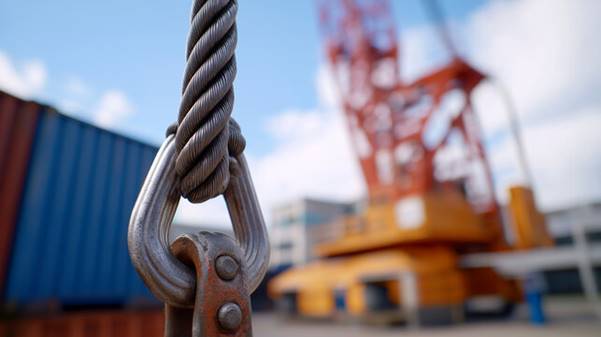
Previously, companies relied on traditional solutions like periodic protective painting or component replacement when damage became excessive. However, these methods fail to address the root of the problem. Each maintenance session means production downtime, resulting in significant economic losses. In the context of Industry 4.0 and the demand for sustainable development, finding a proactive solution that can self-protect and extend equipment lifespan has become a critical necessity, opening the door for new material technologies.
In response to this need, Smart Materials and Self-Healing Coatings technology is emerging as a groundbreaking solution. Unlike conventional passive materials, these materials are designed to "sense" and "react" to damage. When a scratch or corrosion point appears, they automatically activate an internal healing mechanism, filling the wound before it can cause serious damage. As a result, cranes and hoists are protected continuously, proactively, and effectively, minimizing human intervention and providing a superior competitive advantage.
Smart materials are a class of advanced materials capable of changing one or more of their properties (mechanical, electrical, chemical, optical, etc.) in a controlled manner when subjected to external stimuli such as temperature, light, pressure, electric fields, or the appearance of a crack. They are designed to "respond" intelligently, not just endure, but actively adjust to maintain structural integrity. Their self-healing capabilities are based on complex intrinsic mechanisms.
The ability to self-heal is already integrated into the material's molecular structure. When damaged, the internal chemical bonds will automatically restructure to mend the crack. This is particularly effective with certain polymers. When a microscopic crack appears, the broken polymer chains will immediately attempt to re-bond, sealing the wound before it can spread. This mechanism requires no external intervention and happens continuously, ensuring the material's long-term integrity.
This method is more common and easier to control. The material is supplemented with separate "healing agents" that are released when damage occurs. This mechanism works similarly to the human body's immune system.
Microcapsule Systems: This is the most prevalent and effective mechanism in self-healing coatings. The material contains millions of tiny microcapsules (a few dozen micrometers in diameter), which hold a healing agent (monomer) and a catalyst. When the material is scratched, the microcapsules rupture, releasing the healing agent and catalyst. These two components mix and immediately undergo a chemical reaction, forming a hard polymer that fills and seals the crack.
Vascular Networks: Inspired by the circulatory system of living organisms, the material is integrated with a network of channels or tubes containing a liquid healing agent. When damaged, the liquid flows from these channels to fill and mend the crack. This mechanism has the advantage of being able to "pump" the healing agent into the crack multiple times, making it suitable for repeated damage.
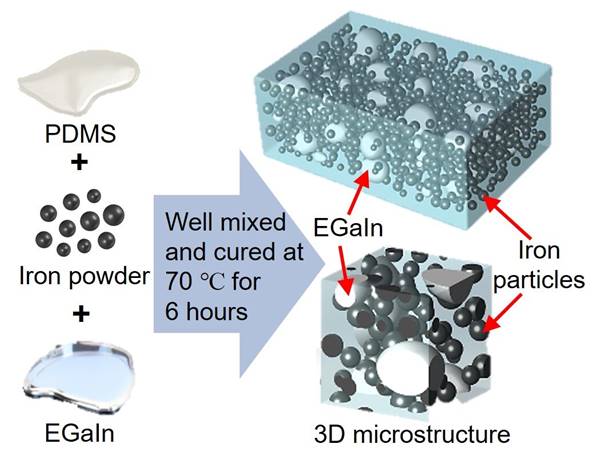
In heavy industry, smart materials are being researched and applied to enhance the durability of steel and composite structures.
Shape Memory Alloys (SMAs): Alloys like Nickel-Titanium can "remember" their original shape. When deformed, they can return to their initial shape when activated by heat. This application is particularly useful for components subjected to repeated loads, where microscopic cracks can appear due to material fatigue. When heated (e.g., by induction current), these cracks can close themselves, improving fatigue resistance.
Self-Healing Polymer-Matrix Composites (PMCs): In the aerospace industry, composite materials are used to reduce weight. However, they are susceptible to impact damage. Self-healing PMCs are integrated with microcapsules or vascular networks to mend internal cracks, maintaining structural integrity. This technology can be transferred to composite materials used in tower cranes or other lightweight components.
European steel plants have trialed SMAs in overhead crane couplings, finding that crack closure extended maintenance intervals from 18 to 30 months and cut replacement costs by up to 25%.
Researchers are also combining self-healing polymers with carbon-fiber reinforcement to create hybrid materials that sense heat and pressure while delivering exceptional tensile strength—ideal for the main girders of container gantry cranes, where high load capacity and light weight are equally critical.
Self-healing coatings act as the equipment's "intelligent skin." They are not merely a passive barrier against corrosion like traditional paints, but an active system capable of self-repairing when damaged. In industrial environments, where scratches and impacts are constant, this capability is invaluable. It prevents the oxidation process from taking hold immediately, keeping the metal surface in a pristine condition.
The self-healing mechanisms of coatings are often complex and fall into two main groups:
This mechanism does not require external intervention to activate.
Microcapsule Mechanism: This is the most common and effective mechanism. Microcapsules containing a healing agent and a catalyst are evenly dispersed within the paint layer. When a scratch penetrates the coating, it ruptures the microcapsules, releasing these components. The two components mix and immediately react chemically, forming a hard polymer that fills the crack. This process takes place in just a few seconds or minutes, completely automatically.
Ionic Re-bonding Mechanism: Some coatings are made of polymers with the ability to re-bond through ionic links. When the coating is scratched, the ionic bonds at the crack are broken. Due to their electrochemical nature, these ions will migrate and create new bonds, "restructuring" the protective film and preventing the ingress of corrosive agents.
This mechanism requires an external stimulus to trigger the repair process.
Thermal-Activated: The coating contains polymers that can liquefy and re-bond when heated. With a simple heat source like a heat gun or even sunlight, small scratches can be mended. This mechanism is particularly effective in high-temperature environments, such as steel mills.
Light-Activated: Some coatings contain molecules sensitive to light (especially UV rays). When UV light shines onto a scratch, these molecules trigger a polymerization reaction, creating a new film that fills the damage.
Field tests at North Sea ports show that nano self-healing coatings retained more than 90 % corrosion resistance after 2,000 hours of salt-spray testing (ASTM B117)—far exceeding premium epoxy paint, which typically lasts about 800 hours.
These coatings can also be applied over existing epoxy layers, so older cranes can be upgraded with minimal downtime. A thin 100–150 µm overcoat provides next-generation protection without dismantling the equipment.
The most significant difference between traditional solutions and the new technology lies in the equipment's life-cycle cost. Initially, the investment cost for smart materials and self-healing coatings may be higher than conventional industrial paints. However, when considering the product's entire lifespan, the economic benefits are far superior:
Reduced Maintenance and Labor Costs: With self-healing coatings, the frequency of scheduled maintenance can be reduced from 1-2 times per year to every 2-3 years or even longer. This directly cuts labor costs, painting material expenses, and downtime.
Increased Production Efficiency: Unplanned downtime due to minor damage is one of the biggest causes of losses. The self-healing ability of these materials ensures continuous and stable operation of the production line, which is crucial in industries like seaports, where every hour of inactivity can result in hundreds of thousands of dollars in losses.
Extended Asset Lifespan: By protecting steel structures from corrosion and material fatigue, this technology significantly extends the lifespan of cranes and hoists, delaying the need for new equipment. This represents a substantial long-term saving.
Enhanced Occupational Safety: Corrosion and cracks on cranes are potential risks that can lead to catastrophic accidents. Self-healing technology helps to eliminate these "weak points" from the start, maintaining structural integrity and ensuring absolute safety for workers.
Supporting Sustainable Development Goals: Self-healing coatings not only reduce metal waste from less frequent component replacement but also decrease the amount of industrial paint released into the environment. Traditional paints often contain volatile organic compounds (VOCs) that cause pollution. The new technology, with its long lifespan and reduced need for repainting, contributes positively to reducing the carbon footprint and meeting strict environmental standards.
A study by Delft University (Netherlands) found that for a $10 million container crane, self-healing coatings cost only about 12 % more than high-grade industrial paint. Thanks to a 70 % reduction in maintenance over ten years, the investment pays for itself in just four to five years, while cranes typically have a 25-year service life.
Beyond maintenance savings, the technology also reduces insurance premiums and protects brand reputation by lowering the risk of accidents or unscheduled shutdowns—factors that strongly influence long-term profitability even if they don’t appear immediately on balance sheets.
Despite their many advantages, the widespread adoption of smart materials and self-healing coatings still faces some challenges:
Initial Cost: Although it has decreased significantly, the cost of these materials and coatings is still notably higher than traditional solutions. This requires companies to have a long-term vision and accept higher initial investment costs.
Mechanism Complexity: The self-healing mechanisms work most effectively with microscopic cracks. For larger cracks, the self-healing capability may be limited. Optimizing the mechanism for larger damage remains a key area of research.
Agent Stability and Lifespan: The microcapsules or catalysts within the material must remain stable for a long time (years or decades) to ensure the self-healing ability is always ready.
Integration of IoT Sensors and AI: The future of this technology goes beyond just self-healing. Scientists are developing coatings with integrated nano-sensors that can continuously monitor the surface condition, humidity, temperature, and other corrosion parameters. This data will be sent to an AI system for analysis. When a crack is detected that exceeds the self-healing capability, the system automatically sends an alert, enabling proactive and optimized maintenance planning.
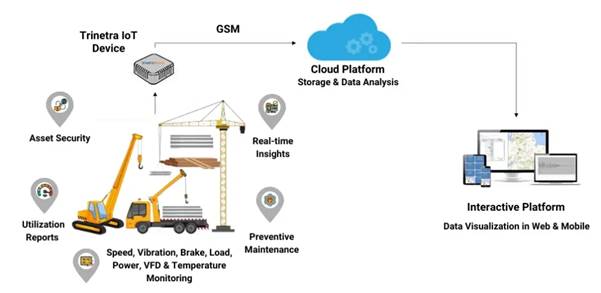
Development of Fully "Autonomous" Materials: The long-term goal is to create materials with the ability to self-heal completely without any external agents, much like the human body heals wounds.
Expansion into Other Industries: This technology is not limited to heavy industry. Other sectors, such as automotive, aerospace, biomedical, and civil engineering, are also actively researching and applying it to create more durable, safer, and environmentally friendly products.
Regulatory and Standardization Gaps: A significant barrier is the lack of international testing and certification standards for industrial self-healing materials. Establishing ISO or ASTM protocols would streamline commercialization and reduce R&D costs.
Collaboration and Knowledge Transfer: Progress will depend on cooperation between materials research institutes, lifting-equipment manufacturers, and major ports. Sharing real-world corrosion data and test results can dramatically shorten development cycles.
Smart Materials & Self-Healing Coatings mark a decisive shift from a “repair-after-failure” philosophy to one of proactive prevention and continuous recovery. For crane and hoist operators, this is far more than a technical upgrade—it is a strategic investment in sustainability, safety, and operational efficiency.

To maximize benefits, companies should implement a stepwise adoption plan. Pilot the technology on secondary components to evaluate adhesion and healing performance. Gradually integrate it into primary load-bearing structures while training technical staff in application and inspection methods. Pair self-healing surfaces with IoT monitoring to build a robust internal database for long-term asset management.
Investing in this technology is not merely an investment in equipment; it is an investment in a safer, more sustainable, and more competitive future. Early adopters will gain a clear market edge and help define the next era of heavy-industry maintenance.
Add: Crane Park, Xinxiang City, Henan Province, China
CEO. MENG QI HAN: Tel: +86-373-5288220
Email: txlet@hotmail.com
Henan office - China: Crane Park, Xinxiang City, Henan Province, China
Import and Export Manager Asia: Ms. Any Tam
Email: txlet@hotmail.com / Mobile: (+84)983 848 328 / Wechat: tkpanda06 / Zalo: (+84)983 848 328
Hanoi office - Vietnam: No 16, Nhan Hoa Alley, Hai Boi Street, Vinh Thanh Commune, Hanoi City, Vietnam
© 2009-2025 by TXLET