


The application of IoT and smart sensors is revolutionizing the industrial lifting equipment sector by transforming traditional machines into intelligent systems. This technology allows for continuous monitoring of parameters like load, temperature, and vibration, which enhances safety and enables predictive maintenance instead of scheduled maintenance. As a result, businesses can reduce operational costs, optimize performance, and boost their competitiveness in the digital age.
In the era of the Fourth Industrial Revolution, where automation and intelligent connectivity have become the standard, the industrial lifting equipment sector cannot afford to lag. This specialized industry, which includes everything from large-scale port cranes to small warehouse hoists, faces significant challenges related to safety, operational efficiency, and cost optimization. The immense forces involved in lifting heavy loads, the harsh operating environments, and the strict safety regulations all demand a more advanced approach than traditional mechanical management.
The advent of the Internet of Things (IoT) and smart sensors has sparked a revolution, transforming massive, seemingly purely mechanical machines into digital “workers” that can communicate and make autonomous decisions. From colossal cranes at seaports and overhead cranes in steel mills to complex conveyor systems in logistics warehouses, the demand for remote monitoring, absolute operational safety, and optimized workflow is becoming ever more critical. IoT and smart sensors are the answer, enabling equipment not just to work but to “think”—collecting data, analyzing it, and reacting in real-time. This digital transformation is fundamentally changing how assets are managed, maintained, and operated, moving the industry toward a new level of productivity and safety.
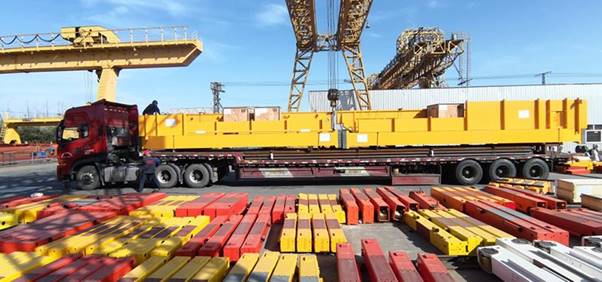
If we consider a lifting system as a human body, IoT is its central nervous system. This network consists of countless sensors, controllers, and transmitters, all seamlessly connected via the internet to create a continuous data stream. Each machine becomes a node in a vast, interconnected network, providing a constant flow of information.
Sensors attached to cranes, hoists, or winches continuously collect a wide range of critical parameters. This isn't just basic data; it's a comprehensive health check on the machine. Key metrics include:
All this data is transmitted to a centralized management platform, typically a SCADA (Supervisory Control and Data Acquisition) system or a cloud-based platform. Here, intelligent algorithms driven by machine learning analyze the data, transforming raw numbers into actionable insights and instant alerts. Here is where the "thinking" occurs. The system does more than just collect data; it interprets it, detecting patterns and anomalies that a human operator might overlook.
For example, a command center at a major seaport can simultaneously track hundreds of container gantry cranes. If a crane's motor temperature increases by 10% faster than usual, the system automatically flags a predictive maintenance alert. This isn't just a simple warning; it's a calculated risk assessment. The technical team can then intervene early, perhaps by checking lubrication levels or a failing bearing, preventing operational downtime that could cost millions of dollars per hour. Without this system, the issue would likely go unnoticed until a catastrophic failure occurred.
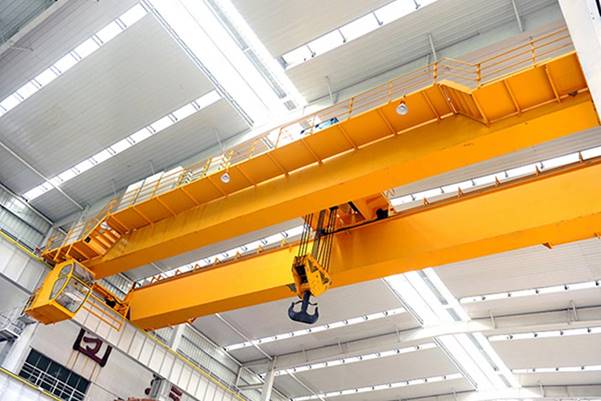
One of the most groundbreaking benefits of IoT is the ability to shift from preventive maintenance (scheduled part replacement) to predictive maintenance (condition-based service). In the past, maintenance was a rigid, often wasteful process. A component was replaced after a certain number of operating hours, regardless of its actual condition. If a part failed prematurely, it led to unplanned downtime. If it were still in good condition, the replacement would have been an unnecessary cost.
IoT changes this entirely. By analyzing real-time data on temperature, vibration, and usage patterns, the system can accurately predict a component's remaining useful life. For instance, a vibration sensor might detect a subtle change in a motor's frequency signature, indicating bearing degradation. The system can then alert the maintenance team that the bearing has an estimated 300 hours of life remaining, allowing them to schedule the replacement during a planned shutdown, eliminating the risk of a sudden failure. This intelligent approach not only reduces labor and spare parts costs but also significantly minimizes unplanned downtime, thereby optimizing the entire production chain and improving long-term equipment reliability.
If IoT is the network, then sensors are the senses, giving equipment the ability to “see and hear.” Each type of sensor plays a specific role in ensuring maximum safety and efficiency.
These are the most critical safety devices. Load cells, attached to the lifting hook or cable system, measure the real-time load with incredible accuracy. This goes beyond simple overload protection; the system can be programmed to monitor for dynamic loads, sudden jolts, or uneven weight distribution. If the load exceeds the safe limit, the sensor automatically triggers audible and visual alarms or even cuts off power to prevent catastrophic failures like cable breaks, falling loads, or structural collapse. Data from these sensors also helps analyze usage patterns, ensuring that operators do not consistently run the equipment at its maximum capacity, which can accelerate wear and tear and shorten the equipment's lifespan.
Motors, gearboxes, and cable drums are prone to overheating due to friction or inadequate lubrication. Temperature sensors continuously monitor these hot spots. An abnormal temperature reading can signal potential issues such as insufficient oil, a failing bearing, or an electrical short. The system can alert maintenance staff in real time, enabling them to intervene and prevent costly motor burnout or even fires. This is especially important in high-intensity operations where equipment runs for long, continuous cycles.
.png)
These highly sensitive sensors can detect even the slightest abnormal movements or vibrations. They act as an early warning system for mechanical issues that are difficult to spot with the naked eye. They can identify the first signs of rail misalignment, shaft imbalance, bearing damage, or loose bolts. By analyzing the frequency and amplitude of the vibrations, the system can pinpoint the exact type of problem, enabling early and effective maintenance before it escalates into a critical failure. For example, a change in vibration patterns on a gantry crane could indicate a wheel is starting to wear unevenly, a problem that, if left unaddressed, could lead to a derailment.
The integration of data from various types of sensors creates a comprehensive picture of the equipment’s “health.” The software platform uses Artificial Intelligence (AI) and Machine Learning (ML) to analyze this integrated data, predict the lifespan of individual components, and recommend optimal maintenance schedules.
This provides businesses with complete control over asset management and significantly reduces the risk of unexpected equipment shutdowns.
This is, without a doubt, the number one benefit. Continuous monitoring helps prevent catastrophic accidents, protecting both workers and company assets. Automatic alerts for overload, high temperatures, or dangerous vibrations allow for immediate action to avoid failures that could result in injury or death. This also helps companies comply with strict safety regulations and reduce insurance costs.
The shift to predictive maintenance is a game-changer. It can reduce maintenance, spare parts, and labor costs by up to 30–40% compared to traditional methods. Furthermore, by analyzing energy consumption data, the system can identify inefficiencies and recommend changes to the operational schedule or equipment settings, saving thousands—sometimes millions—of dollars in electricity bills each year.
Real-time data provides operators and managers with a clear view of the workflow. This helps them identify bottlenecks, reduce idle time, and increase handling capacity. In high-intensity environments like seaports or large-scale manufacturing plants, where every minute of downtime can cause significant losses, this efficiency gain translates directly to a stronger bottom line.
All operational information is digitized and stored in the cloud. Managers can access data anytime and anywhere, enabling remote decision-making and creating a fully transparent management system. This centralized view of all assets, regardless of their physical location, empowers senior management to make more informed strategic decisions about asset utilization, replacement, and investment.
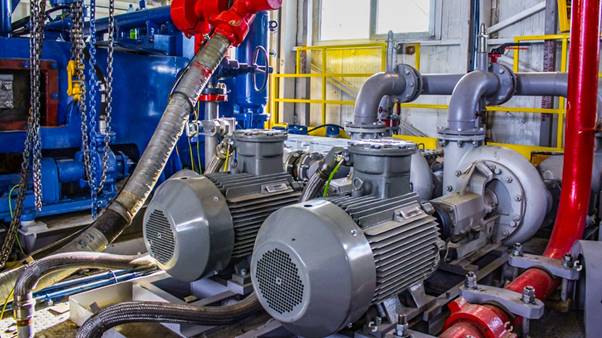
Begin by evaluating the current state of existing equipment. This involves identifying critical machines or processes where IoT adoption will bring the highest return on investment. Not every piece of equipment needs a full IoT system; focus on the high-value, high-risk assets first.
Depending on budget and operational scale, businesses can start with essential sensors such as load cells before expanding to a full-fledged IoT ecosystem. Gradual adoption reduces initial costs and allows teams to adapt to the new technology smoothly. Work with a trusted technology partner to design a scalable system.
Choose a suitable data management platform—be it SCADA, MES, or ERP—and ensure seamless compatibility between the hardware and software. The goal is to create a single source of truth for all operational data, avoiding fragmented systems that are difficult to manage.
This is arguably the most critical step. The best technology is useless if the people using it aren't trained properly. Train technical and operational teams on how to use the monitoring software, interpret data, and respond to alerts. A strong change management plan is vital to ensure staff buy-in and efficient adoption.
As a company becomes more digitally connected, it also becomes more vulnerable to cyber threats. Implement robust security protocols to protect sensitive operational and production data. This includes end-to-end encryption, multi-factor authentication, and regular system audits to safeguard against data breaches.
The integration of IoT and smart sensors is just the beginning. The next few years will see these technologies advance even further, paving the way for a truly intelligent and autonomous industrial landscape.
The widespread rollout of 5G networks will provide ultra-fast speeds and near-zero latency. This will enable real-time remote control of lifting equipment across vast industrial sites, allowing for more complex, time-sensitive operations to be performed from a centralized control room.
While cloud computing is powerful, it can have latency issues. Edge Computing will process data directly on the device or near the source. This is vital for time-sensitive safety measures, as it allows a system to make an immediate decision without waiting for data to travel to a distant server and back.
Digital Twin systems will create virtual replicas of entire facilities. These digital twins can be used to simulate scenarios, test improvements, and predict outcomes before implementing changes in the physical environment. This drastically reduces risk and allows for a more proactive approach to planning and optimization.
In the coming years, IoT platforms will integrate even more closely with robotics and advanced AI. This will lead to automated decision-making and self-correcting operations, setting the stage for fully autonomous industrial lifting systems that can operate with minimal human intervention, further increasing safety and efficiency.
The adoption of IoT and smart sensors is no longer just a technological trend; it is a strategic imperative for sustainable growth and competitiveness. By transforming heavy machinery into intelligent, connected systems, companies can achieve unparalleled levels of safety, efficiency, and cost savings. This technology empowers businesses to move from a reactive to a proactive operational model, using data to make smarter, faster decisions. Companies that embrace these technologies will not only enhance safety and operational efficiency but also position themselves as leaders in a rapidly evolving industrial landscape, building a foundation for a safer, more productive, and future-ready industrial sector.
Add: Crane Park, Xinxiang City, Henan Province, China
CEO. MENG QI HAN: Tel: +86-373-5288220
Email: txlet@hotmail.com
Henan office - China: Crane Park, Xinxiang City, Henan Province, China
Import and Export Manager Asia: Ms. Any Tam
Email: txlet@hotmail.com / Mobile: (+84)983 848 328 / Wechat: tkpanda06 / Zalo: (+84)983 848 328
Hanoi office - Vietnam: No 16, Nhan Hoa Alley, Hai Boi Street, Vinh Thanh Commune, Hanoi City, Vietnam
© 2009-2025 by TXLET