


High-Altitude Heavy Lifting is a comprehensive engineering solution specifically designed to address the dual challenges present in mountainous regions: engine power loss due to thin air, the risk of overheating and freezing from wide temperature swings, and accelerated wear and corrosion caused by harsh climate and high winds. This specialized solution involves optimizing engines with turbochargers and forced cooling, utilizing materials resistant to low temperatures and corrosion (HSLA steel, C5-M coatings), and integrating intelligent control systems that leverage IoT and Machine Learning for Predictive Maintenance and safety assurance. While the initial investment cost is higher, this technology is key to guaranteeing superior worker safety, stable operational performance, and significantly reduced Life-Cycle Costs (LCC), ultimately ensuring the long-term economic viability and sustainability of critical mountain infrastructure projects.
In high-altitude mountainous regions, characterized by severe climates and challenging terrain, the installation of large-scale projects such as hydroelectric power plants, meteorological observation stations, or renewable energy ventures always requires specialized heavy-lifting solutions. Altitudes ranging from 1,500 to over 3,000 meters not only present technical challenges for the equipment but also directly impact worker safety, continuous operational capability, and the overall energy efficiency of the project.
Unlike construction in flatland areas, projects situated on mountain peaks must simultaneously withstand multiple extreme factors: low atmospheric pressure, thin oxygen levels, strong winds, salt mist, and wide daily temperature fluctuations. Without specialized design, lifting systems can rapidly lose power, experience excessive wear and tear, or pose significant risks to operators. Non-scheduled maintenance costs due to equipment failure can inflate project budgets by up to 50%, leading to delays and reputational damage.
This article provides a comprehensive and in-depth view of High-Altitude Heavy Lifting – the technology and specialized design solutions for high-mountain projects. We analyze the challenges in detail, itemize the technical solutions, and present practical applications. Furthermore, we delve into the critical aspects of human factors, safety management, and life-cycle cost (LCC) analysis—elements indispensable for ensuring success in this extreme environment.
Deploying heavy-lifting systems in mountainous terrain involves managing multiple simultaneous technical, environmental, and logistical risks. The complexity of the environment demands careful consideration of physics and logistics, not just mechanics.
Thin air reduces oxygen density, causing both electric motors (which rely on air cooling) and internal combustion engines (which depend on the air-fuel mixture) to lose 15–30% of their power compared to sea level operation. Specifically, at 3,000 m, air density is only about 70% of sea level, severely affecting combustion efficiency and lifting force.
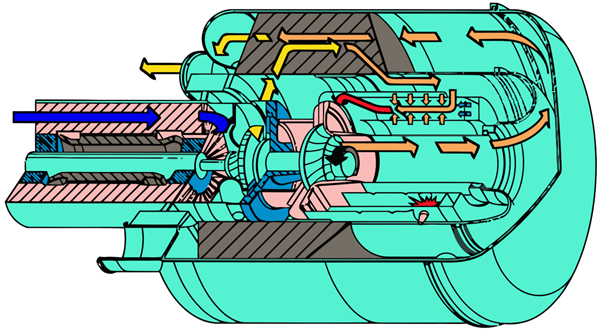
Heat dissipation through convection and radiation is less effective due to the lower air density. This dramatically increases the risk of overheating in motors and mechanical components, accelerating the breakdown of insulating materials (leading to winding fires), decreasing cable lifespan, or causing cable slippage.
Low atmospheric pressure can also exacerbate issues such as cavitation (the formation of vapor bubbles) within hydraulic pumps, leading to reduced efficiency, noise, and accelerated internal erosion if not addressed by specialized fluid and system design.
High-altitude locations frequently suffer temperature changes surpassing 30 °C within a single day. Abrupt temperature changes lead to continuous metal expansion and contraction (Thermal Cycling), causing micro-cracks in welds and accelerating Material Fatigue. This is especially harmful for structures that bear both static and dynamic loads.
Equipment must be designed to withstand heavy icing. Solutions require not only robust materials but also integrated active heating elements (e.g., in sheaves, cables, or control cabinets) to prevent the build-up of ice, which can drastically reduce cable flexibility and increase the risk of overloads.
The combination of ice, salt mist (common in coastal mountain ranges), and intense UV radiation (due to reduced air protection) is a primary driver of corrosion. Equipment must have protective coatings that comply with ISO 12944 (C5-M or higher).
High wind speeds, often exceeding 20 m/s (72 km/h), generate significant drag forces and vibration on the crane boom, requiring a higher safety factor and active anti-vibration design.
Construction sites in mountain regions are exposed to unique geological and meteorological hazards that must be factored into the equipment's operational parameters:
Steep, uneven terrain and rocky surfaces introduce risks of differential settling or ground failure under high point loads from outriggers. Specialized equipment must feature wider, pressure-distributing footpads and intelligent auto-leveling systems that continuously monitor ground pressure and incline angle, preventing catastrophic tip-overs.
The local topography (e.g., valleys, ridges, and slopes) creates rapid and localized changes in weather known as microclimates. Wind speeds can shift suddenly and unpredictably, often escalating far faster than regional weather forecasts predict. Lifting operations must rely on on-site anemometers positioned strategically to detect these immediate localized threats.
In seismically active mountain zones, equipment design must account for higher seismic load factors (or G-forces) during operation. Anchoring systems and frame integrity must withstand these rare but critical events.
Steep slopes, limited transport roads, and rapidly changing weather make logistics a primary concern. The cost of transporting replacement parts can be 5–10 times more expensive than in flat locations.
The transport phase itself often requires specialized, high-torque vehicles or even helicopters to deliver modularized components, increasing initial project complexity and cost.
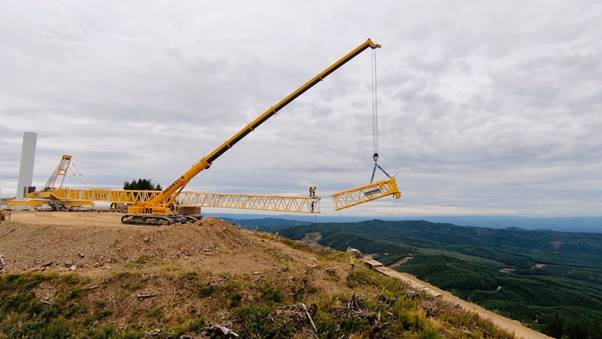
Therefore, lifting equipment must feature Extended Maintenance Intervals, Self-Diagnostics capabilities, and a Modular Design. Critical systems may need to be designed with Redundancy to ensure continuous operation even if a component fails.
To comprehensively overcome these challenges, the entire heavy-lifting system must be fully optimized beyond conventional industry standards.
Use motors with Class H insulation for superior heat resistance and be equipped with oversized Forced Cooling (IC416/IC418) systems to maintain rated power despite the thin air.
Mandatory use of turbochargers/superchargers and high-efficiency Intercoolers. The ECU (Electronic Control Unit) must be equipped with Altitude Compensation Logic to dynamically adjust fuel mapping and injection timing based on real-time atmospheric pressure data for consistent power output.
Calculating the precise derating (reduction in rated power due to altitude) is mandatory. For instance, to achieve 100 kW of required power at 3,000 m, a 130 kW engine model must be selected at sea level.
VFDs with precise vector control must perform Regenerative Braking, returning electrical energy to the grid when lowering loads. This feature is crucial for reducing mechanical shock and increasing energy efficiency, especially on site that uses generator power.
Equipment must use Synthetic Multi-Grade Hydraulic Oil with a superior Viscosity Index and very low Pour Point (often below −50 °C), combined with anti-foaming additives to mitigate cavitation.
Integrated Immersion Heaters must pre-warm the oil. Additionally, thermal blankets can shield crucial valves and manifolds overnight, significantly reducing cold start energy and time.
All seals must be made of materials like PTFE (Teflon) or fluorocarbon (Viton), which maintain elasticity and pressure integrity under extreme thermal cycling and metal contraction.
Steel used for the frame and boom must be certified for resistance to Cold Brittleness and chemical corrosion.
Utilize High-Strength Low-Alloy Steel (HSLA Steel) with certified low-temperature toughness (e.g., meeting Charpy V-notch impact test requirements at −40 °C) to prevent brittle fracture.
A multi-layer coating system must be applied: Zinc-rich Primer (for galvanic protection), Epoxy Mid-coat (chemical barrier), and Polyurethane Topcoat (UV resistance/abrasion). This system must meet the heavy industrial corrosion standard C5-M.
Cables must be Hot-dip Galvanized with cores infused with specialized arctic grease. Bolts and connections must be hot-dip galvanized and utilize locknuts or specialized washers to prevent loosening caused by constant high-frequency vibration and continuous thermal expansion.
The industrial PLC (typically IP67 rated or higher) continuously receives data from wind, temperature, pressure sensors, and especially accelerometers/inclinometers placed on the crane boom.
The system features a Dynamic Load Limiter. When wind speed exceeds the safety threshold (20 m/s), the system automatically reduces lifting speed, activates auxiliary braking, and issues an emergency stop command to prevent load overturning.
The system monitors operations via a cloud platform, enabling engineers at the operations center to track Asset Health and perform remote diagnostics/troubleshooting, minimizing reliance on physical presence at the site.
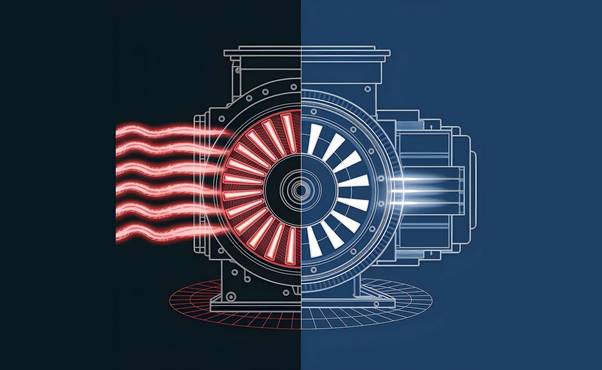
To prevent thermal shock and instantaneous wear (Initial Wear), the operating procedure must include a pre-heating phase. Electric oil heaters are activated for 15–30 minutes. Afterward, the equipment is run at an Idling speed for 5–10 minutes to ensure lubrication is evenly distributed. This reduces initial friction by up to 70%, extending the life of bearings and seals.
Operating at high altitude introduces risks to the crew that go beyond standard job site hazards:
All personnel must adhere to strict acclimatization protocols. Cabins must be designed as enclosed spaces with high-efficiency heating, and portable oxygen supplies must be available for emergency use and long shifts.
Low oxygen levels can impair decision-making and reaction times. Therefore, the control system must feature Enhanced Operator Assistance (e.g., auto-leveling, automated load monitoring) to compensate for potential human error.
Control cabins must be ergonomically designed for operators wearing bulky cold-weather gear, ensuring easy access to emergency controls and clear visibility.
Moving beyond scheduled maintenance is essential for high-altitude projects where site access is difficult.
Continuous monitoring systems utilize vibration sensors, acoustic sensors, and thermal imaging cameras to analyze the health of critical rotating components (bearings, gearboxes).
Data gathered through IoT is processed by machine learning algorithms to establish a baseline of "normal" operation. Any deviation triggers an anomaly warning, allowing maintenance to be scheduled precisely when necessary, frequently minimizing possible failures by 50%. This shift to Predictive Maintenance (PdM) significantly lowers the logistical burden and cost of unscheduled downtime.
For investors, the higher initial cost of specialized equipment must be justified by its long-term economic benefits and risk mitigation.
|
Risk Factor |
Standard Equipment Risk |
Specialized High-Altitude Solution |
Impact on Project LCC |
|
Power Loss |
15–30% loss; potential for catastrophic stall. |
Compensated by Turbocharging/Forced Cooling. |
Mitigates schedule delay penalties. |
|
Material Fatigue |
High risk of weld cracks/structural failure due to thermal cycling. |
Use of HSLA steel, specialized welding, and C5-M coating. |
Extends asset lifespan by 15 years+. |
|
Downtime |
High due to cold starts, freezing fluids, and difficult parts logistics. |
Integrated heating, modular design, PdM. |
Reduces OPEX by 25–35%. |
|
Safety |
Increased risk of load instability and operator impairment. |
Automated safety cut-offs, wind/tilt sensors, and acclimatized cabins. |
Minimizes liability and human capital loss. |
While specialized High-Altitude Heavy Lifting equipment incurs a higher initial Capital Expenditure (CAPEX) (often 15–30% higher than standard cranes), the LCC over 20 years is significantly lower.
Lower operational costs are driven by the extended lifespan of components (due to specialized materials and fluids) and the efficiency of Predictive Maintenance.
Higher uptime (equipment availability) directly translates into faster construction completion and uninterrupted operation of the final asset (e.g., continuous power generation from a hydro plant).
The total savings achieved through reduced maintenance, faster commissioning, and minimized risk of catastrophic failure typically outweigh the initial CAPEX premium within the first 5–7 years of the project life cycle.
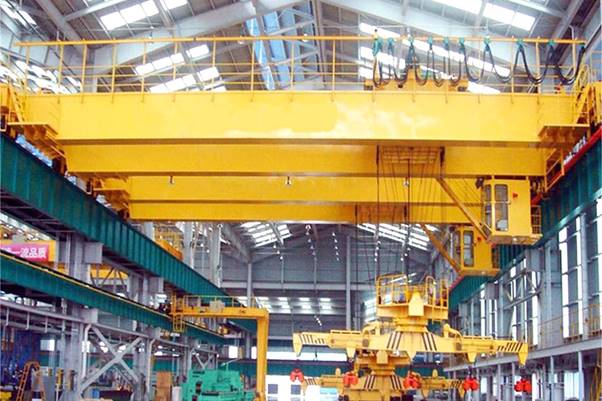
High-altitude heavy lifting represents a paradigm shift in the development of mountain infrastructure. It is not merely an upgrade of engine power; it is an Integrated Engineering Solution encompassing advanced metallurgy, thermodynamics, fluid dynamics, and intelligent control systems. This comprehensive approach enables machinery to operate stably under low-pressure, extreme climate conditions, and high wind conditions.
For critical infrastructure projects—be they hydroelectric power, telecommunications, or renewable energy in mountainous regions—investing in specialized lifting equipment is the definitive key to securing construction schedules, ensuring workforce safety, and guaranteeing long-term economic viability. While the initial investment is substantial, this commitment delivers sustainable value for decades by substantially reducing operational risks and minimizing maintenance burdens, thereby ensuring project success in the planet's most challenging environments.
Add: Crane Park, Xinxiang City, Henan Province, China
CEO. MENG QI HAN: Tel: +86-373-5288220
Email: txlet@hotmail.com
Henan office - China: Crane Park, Xinxiang City, Henan Province, China
Import and Export Manager Asia: Ms. Any Tam
Email: txlet@hotmail.com / Mobile: (+84)983 848 328 / Wechat: tkpanda06 / Zalo: (+84)983 848 328
Hanoi office - Vietnam: No 16, Nhan Hoa Alley, Hai Boi Street, Vinh Thanh Commune, Hanoi City, Vietnam
© 2009-2025 by TXLET